
Healthy weight loss can be achieved through adjusting dietary structure, increasing physical activity, maintaining regular sleep patterns, controlling emotional stress, and regularly monitoring weight. Losing weight requires scientific planning, avoiding excessive dieting or vigorous exercise to prevent harm to the body.

1. Adjusting dietary structure
Healthy weight loss requires reasonable control of daily calorie intake, appropriate reduction of high sugar and high-fat foods, and increased intake of high-quality protein and dietary fiber. High quality protein can be found in foods such as chicken breast, fish, and eggs, while dietary fiber can be found in foods such as broccoli, oats, and brown rice. Keep 70% full at each meal and avoid overeating. The main cooking method is steaming and stewing, reducing frying and stir frying.
2. Increase physical activity
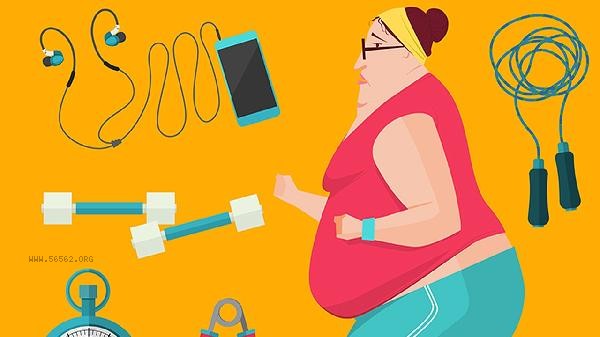
Engage in 3-5 aerobic exercises per week, such as brisk walking, jogging, swimming, etc., each lasting 30-60 minutes. Combining strength training can increase muscle mass and improve basal metabolic rate. The intensity of exercise should be gradually increased to avoid injuries caused by sudden intense exercise. Walk and climb stairs more frequently in daily life to increase physical activity.
3. Regular sleep schedule
Ensure 7-8 hours of sufficient sleep every day and avoid staying up late. Lack of sleep can affect the secretion of leptin and ghrelin, leading to increased appetite. Establishing a fixed schedule can help regulate metabolism. Avoid eating 2 hours before bedtime and reduce nighttime calorie intake.

4. Control emotional stress
Long term stress can lead to elevated cortisol levels and promote fat accumulation. Stress can be relieved through meditation, deep breathing, yoga, and other methods. Avoiding venting emotions through overeating can cultivate other interests and hobbies to divert attention. Maintaining a positive and optimistic attitude helps to stick to a weight loss plan.
5. Regularly monitor weight
Measure weight and body fat percentage at fixed times every week, and record the trend of changes. Do not weigh yourself every day to avoid short-term fluctuations affecting your mood. It can measure waist circumference, hip circumference and other indicators to comprehensively evaluate the weight loss effect. Adjust diet and exercise plans in a timely manner based on monitoring results.
Healthy weight loss is a long-term process that requires gradual progress. Do not pursue rapid weight loss, it is advisable to lose 0.5-1 kilogram per week. During weight loss, it is important to supplement with sufficient water and drink 1.5-2 liters of water per day. You can seek guidance from professional nutritionists or fitness coaches to develop personalized weight loss plans. After successfully losing weight, it is important to continue maintaining a healthy lifestyle to prevent weight regain.








Comments (0)
Leave a Comment
No comments yet
Be the first to share your thoughts!