
Stir fried tofu can be improved in taste by pairing high-quality ingredients, controlling the heat, processing tofu in advance, using seasonings skillfully, and selecting appropriate tofu varieties. Tofu is rich in high-quality protein and calcium, making it suitable for cooking with a variety of ingredients.
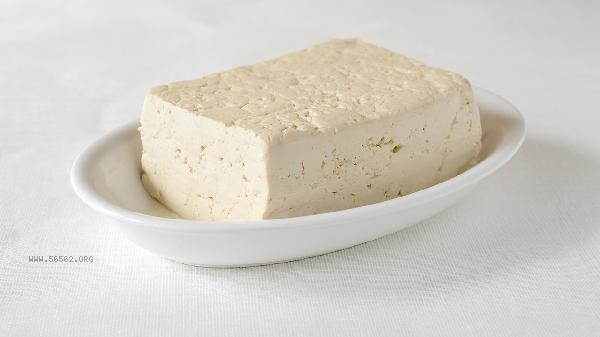
1. Paired with fresh ingredients
Tofu itself has a light taste and is suitable for stir frying with naturally flavorful ingredients such as mushrooms, shrimp, ham, etc. The glutamic acid component of these ingredients can have a synergistic effect with the protein in tofu to enhance its freshness. For example, using water soaked in dried shiitake mushrooms instead of plain water to mix sauce can improve the freshness of tofu. When stir frying seafood ingredients such as fresh shellfish, shrimp, and tofu, it is important to note that seafood should be added to the pot later than tofu to avoid excessive heating and affecting its tenderness.
2. Control the heat
Tender tofu is suitable for stir frying over medium heat, while old tofu can be stir fried over high heat to produce a burnt aroma. Before frying, cut the tofu into pieces and use kitchen paper to absorb the surface moisture, which can reduce oil splashing and help form a golden shell. By using a hot pot to cool the oil, when the oil temperature rises to a slight smoking point, tofu will produce aroma substances through the Maillard reaction. When stir frying, gently push the tofu with a spatula on the back to avoid breakage.
3. Pre treat Tofu
Blanch or steam the cut tofu pieces for 5 minutes to remove the bean odor and enhance their toughness. The salt water soaking method is also applicable. Soaking tofu in light salt water for 15 minutes can make the protein network tighter. For the Mapo tofu that needs to be fried, it can be frozen and thawed to produce a spongy structure that is easier to absorb soup. North tofu is suitable for pressing out some moisture with a heavy object before frying.
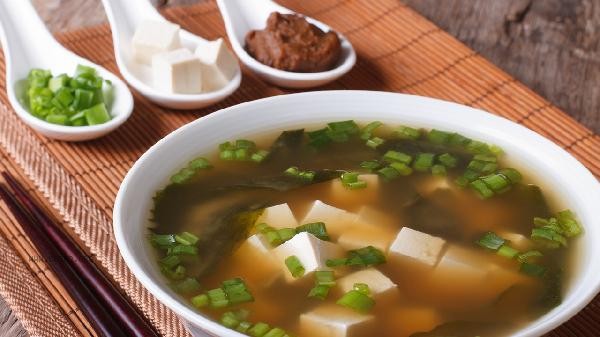
4. Clever use of seasonings
Fermented seasonings such as Douban sauce and fermented black beans can blend with the flavor of tofu. Dripping a little vinegar before cooking can enhance freshness. When using oyster sauce for seasoning, it is necessary to dilute it with water first to avoid local saltiness. Garlic, ginger, and other spices are recommended to be added in two portions. When frying, use half and sprinkle the remaining part before serving to increase the layering. The addition of sugar can neutralize the bean odor, but it should be controlled within one tenth of the total seasoning.
5. Choose the appropriate variety
Southern tofu is suitable for making light scallion mixed tofu, northern tofu is suitable for frying, stewing, and boiling, and lactone tofu is more suitable for cold mixing. Japanese silk tofu has a delicate texture and is suitable for making crab roe tofu. Frozen tofu with many pores is suitable for braised dishes. Pay attention to the production date when purchasing. Fresh tofu has a slightly yellow and elastic surface, while overnight tofu may become sour and needs to be blanched. Tofu beans made from organic soybeans have a stronger aroma and are suitable for simple cooking to highlight their natural flavor.
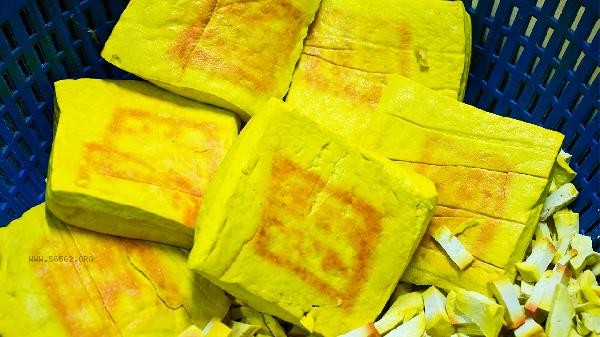
It is recommended to limit the daily consumption of tofu to 100-150 grams, and gout patients should pay attention to their intake. Paired with vegetables such as bell peppers and broccoli that are rich in vitamin C, it can promote iron absorption. Avoid consuming large amounts of spinach with high oxalic acid content. Before cooking, blanch spinach to remove some oxalic acid. Traditional gypsum tofu has a high calcium content and is suitable for teenagers during their growth and development period. There is not much difference in the nutritional value of tofu processed in different ways, and it can be flexibly selected according to taste requirements, preserving the nutritional value of tofu while enjoying deliciousness.








Comments (0)
Leave a Comment
No comments yet
Be the first to share your thoughts!