
To make steamed buns with dough, it is necessary to master key steps such as yeast activation, dough kneading, temperature control, and wake-up time. By using reasonable ratios and operations, soft and delicious dough can be produced.
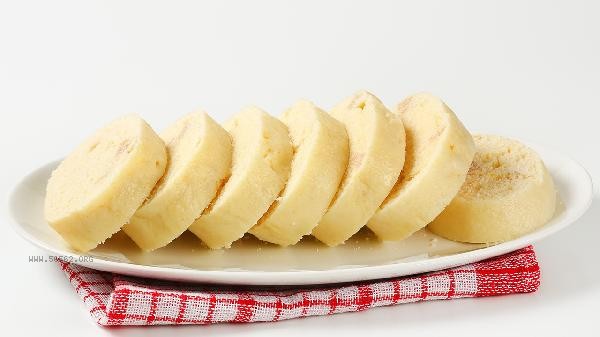
1. Yeast activation
Mix yeast with warm water and let it stand to activate. The water temperature should be controlled at around 35 degrees Celsius, and a small amount of white sugar can be added to promote fermentation. Yeast activity shall be confirmed before use. If no foam is produced, fresh yeast shall be replaced. The water temperature needs to be adjusted slightly in different seasons, with slightly higher temperatures in winter and slightly lower temperatures in summer, to avoid high temperatures killing yeast.
II. Flour selection
Medium gluten flour is suitable for making fluffy steamed bun skin, and moderate protein content can keep the dough elastic. Flour needs to be sieved to remove clumps, with a ratio of approximately 100:1 to yeast water. A small amount of baking powder can be added to assist fermentation, but it should not be too much to avoid producing an alkaline taste. Whole wheat flour requires an appropriate increase in water content and fermentation time.
3. Kneading Techniques
It is best to knead the dough until it is smooth and non sticky to the hand, with fine pores appearing on the surface. The folding kneading method can quickly form a gluten network, and the kneading time is about 15 minutes. The hardness of the dough should be moderate. If it is too hard, it will affect fermentation, and if it is too soft, it will not be easy to shape. During the kneading process, a moderate amount of powder can be added, but excessive amount can cause the finished product to dry and harden.
Fourth, Fermentation Control
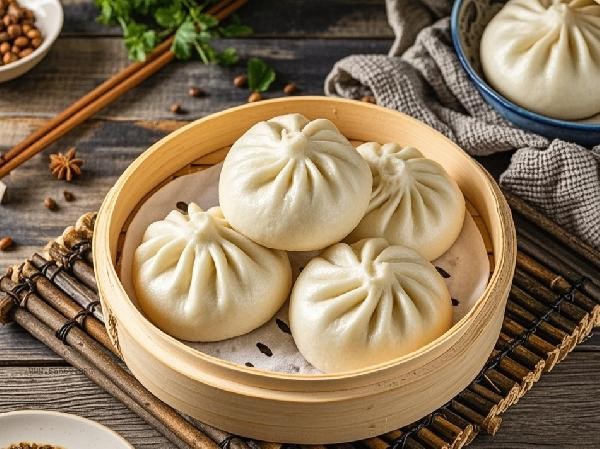
The optimal temperature for the first fermentation is 28-32 degrees Celsius, with humidity maintained at around 70%, and the volume expanded to twice the size. You can use your fingers to poke the hole for inspection, and fermentation is complete without retraction. In winter, it can be placed on a warm water pot to accelerate fermentation, and in summer, excessive fermentation should be prevented from producing sour taste. insufficient fermentation can lead to stiff buns, while excessive fermentation can result in rough tissue.
Fifth, Second Awakening
After wrapping the buns, they need to be awakened again for 15-20 minutes, and then steamed after the volume has significantly increased. The temperature of the awakening environment should not exceed 40 degrees Celsius to avoid yeast inactivation. After boiling the water in the steamer, add the buns and steam them over high heat to ensure the expansion effect. After turning off the heat, let it simmer for 3 minutes before opening the lid to prevent collapse and shrinkage.
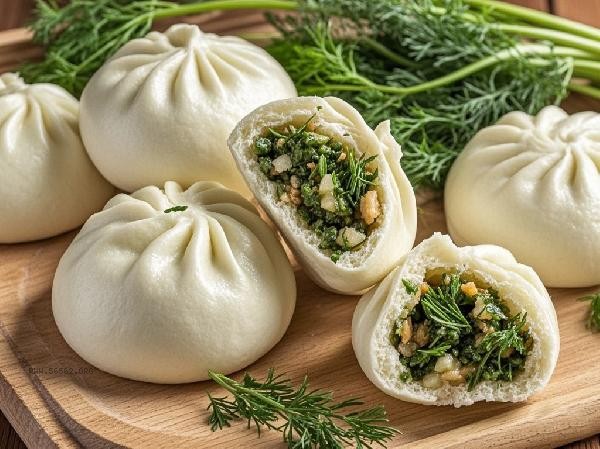
When making buns, it is important to note that the ratio of flour to water is usually 2:1, adjusted according to the water absorption of the flour. During the fermentation process, avoid direct contact with oil and salt to inhibit yeast activity. Different fillings should match the corresponding thickness of the dough, and meat filling should be thick while vegetarian filling should be thin. You can try adding natural ingredients such as pumpkin and purple sweet potato to adjust the flavor and nutrition of the dough in daily life, but the liquid ratio needs to be adjusted accordingly. After mastering the basic methods, one can make special baozi skins such as aged noodles and hot pressed noodles by adjusting the fermentation time and temperature.








Comments (0)
Leave a Comment
No comments yet
Be the first to share your thoughts!