
Cabbage boiled noodles can be enhanced in taste by pairing with broth, controlling the heat, adding seasonings, selecting appropriate types of noodles, and pairing with other ingredients.
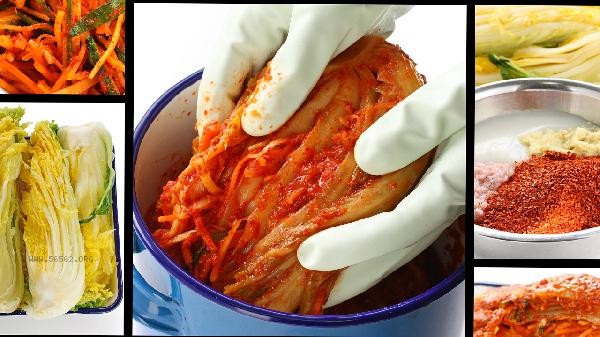
1. High soup for freshness
Using bone soup or chicken soup as the soup base can significantly enhance the freshness of boiled cabbage noodles. When making broth, ginger slices can be added to remove the fishy smell. After boiling, reduce the heat and simmer slowly for more than two hours to make the soup clear in color and rich in flavor. The collagen in broth can make noodles smoother and create a layered effect with the sweetness of cabbage. Note that broth should be prepared in advance and can be stored for several days after refrigeration.
2. Control the heat
Cabbage should be cooked twice. First, slice the cabbage and stir fry until semi transparent, then quickly blanch the cabbage leaves. When the noodles are cooked to 80% done, boil them together with the cabbage to avoid excessive softening and rotting. Maintain medium heat to slightly boil the soup, which can release the sweetness of cabbage without damaging vitamin C. Finally, drizzle with a little sesame oil to lock in moisture and nutrients.
3. Seasoning Techniques
Basic Seasoning: Use salt, white pepper, and a little sugar to enhance freshness, and add vinegar to increase aroma and relieve greasiness before cooking. If you like spicy flavors, you can add pickled peppers or chili oil. Avoid using too much soy sauce to affect the color of the soup. The seafood version can add shrimp skin or dried scallops to enhance saltiness, while the vegetarian version uses mushroom powder as a substitute. Pay attention to the order of adding seasonings. Solid seasonings should be added first, followed by liquid seasonings.
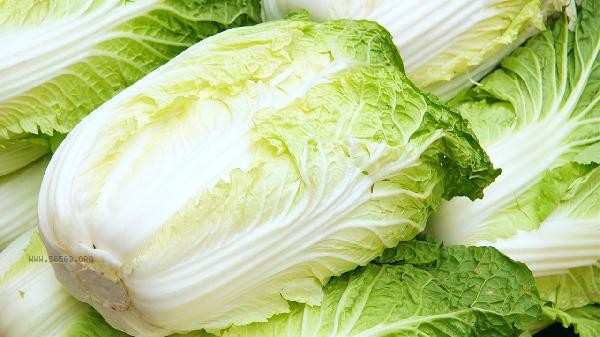
4. Noodle selection
Fresh hand rolled noodles are resistant to boiling and not easy to stick to soup, suitable for people who like a strong texture. The cooking time for hanging noodles is short, and strict control of the heat is required. Buckwheat or vegetable noodles can increase dietary fiber, but the soaking time needs to be extended. Wide noodles are easier to absorb soup, while fine noodles are more suitable for light flavors. Frozen noodles should be thawed before use to avoid clumping directly in the pot.
5. Food ingredients matching
Add fried eggs or Soy egg to increase protein and make nutrition more balanced. Paired with black fungus and shredded carrots, it enriches the color and taste. Meat options include marinated lean meat slices or diced ham. Tofu bubble or Oily bean curd can absorb the soup and make it more delicious. Add a small amount of white radish slices in winter to enhance the warming effect, and pair with cucumber shreds in summer for a fresher look.
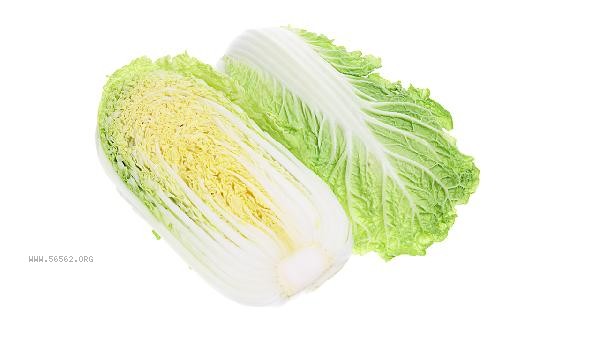
As a home-made Kwai meal, it is recommended to use fresh cabbage in the current season. Separate processing of the top and leaves can ensure the best taste. Noodles should not be soaked for a long time after cooking. Eating them in a timely manner can maintain their strength. The remaining Noodles in soup shall be stored in cold storage for no more than one day, and a small amount of boiled water shall be added when reheating. When making daily dishes, you can try different regional flavors, such as the Northern style of pan making or the Southern style of clear soup, and adjust the ingredient ratio according to personal taste. Paired with small pickles or cold dishes for a more appetizing taste, pay attention to controlling salt intake.








Comments (0)
Leave a Comment
No comments yet
Be the first to share your thoughts!