
When not exercising, weight loss can be achieved by adjusting dietary structure and controlling calorie intake, but it is important to pay attention to balanced nutrition. The main methods include improving dietary habits, increasing daily activity levels, adjusting sleep schedules, trying light fasting, and combining traditional Chinese medicine conditioning.

1. Improve dietary habits
Reduce the intake of refined carbohydrates and high sugar foods, and replace some staple foods with whole grains and whole grains. Appropriately increase the intake of high-quality protein, such as eggs, fish, soy products, etc. Eat more fresh vegetables and fruits to supplement dietary fiber and prolong satiety. Avoid fried foods and high salt foods to reduce hidden calorie intake. Keeping 70% full at each meal and slowing down the eating pace can help control food intake.
2. Increase daily activity level
converts conscious movement into unconscious activity consumption. Usually, take the stairs instead of the elevator and get up and move for 5 minutes every hour. Increase the amplitude of movements when doing household chores, such as squatting to wipe the floor, tiptoeing to pick up items, etc. When working, you can choose to stand up and work, and get off early and walk during commuting. These small habits can accumulate over time and burn more calories. 3. Adjust your sleep schedule to ensure 7-8 hours of high-quality sleep and avoid metabolic disorders caused by staying up late. Eat a nutritious breakfast on time in the morning and avoid overeating during lunch and dinner. Reasonably arrange the interval between three meals, and dinner should not be too late. Proper exposure to sunlight can help regulate melatonin secretion. Establishing a regular biological clock can improve basal metabolic rate.
4. Try light fasting
Use a 16:8 intermittent fasting method to compress daily eating time to within 8 hours. Choose 1-2 days a week to consume a low calorie diet of around 500 calories. Prioritize choosing high protein and high fiber foods when eating. During the fasting period, tea and black coffee can be consumed. This approach requires gradual progress and is not suitable for individuals with abnormal blood sugar levels.
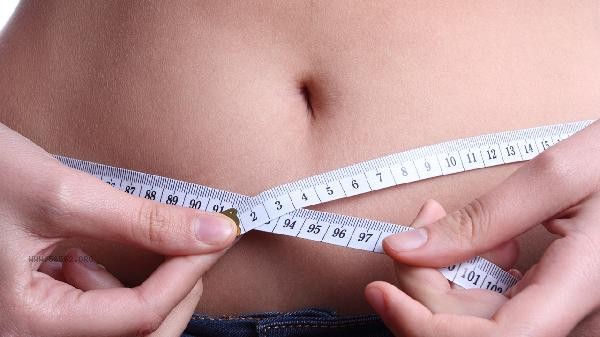
5. In combination with traditional Chinese medicine regulation [SEP], people with phlegm dampness constitution can drink tangerine peel and hawthorn tea to help digestion. It is suitable to use Congee of Poria cocos and yam to invigorate the spleen and remove dampness. Massage acupoints such as Zusanli and Zhongwan appropriately to promote metabolism. Moxibustion at Guan Yuan acupoint can warm yang, transform qi, and promote water circulation. These methods should be carried out under the guidance of professional traditional Chinese medicine practitioners and should not be abused on one's own. During the weight loss process, it is important to avoid excessive dieting that can lead to malnutrition. Women should not lose more than 4 pounds per month. The daily water intake should reach 1500-2000 milliliters, and reduce fluid intake 3 hours before bedtime. Regularly measuring waist circumference, body fat percentage, and other indicators is more meaningful than simply focusing on weight. If symptoms such as dizziness, fatigue, and menstrual disorders occur, seek medical attention promptly. Establishing a sustainable and healthy lifestyle is more important than short-term weight loss.








Comments (0)
Leave a Comment
No comments yet
Be the first to share your thoughts!