
Fat on the inner thigh can be reduced through dietary control, aerobic exercise, strength training, adjusting sitting posture, and medical beauty treatments. The accumulation of fat on the inner thigh is often related to genetic factors and insufficient local exercise, and targeted improvement of lifestyle habits is needed.
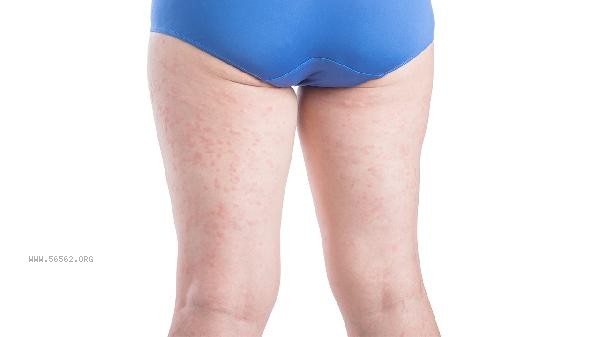
1. Dietary control
Reduce the intake of refined carbohydrates and high-fat foods, and increase the proportion of high-quality protein and dietary fiber. The daily staple food can be replaced with whole grains such as brown rice and oats, paired with low-fat proteins such as chicken breast and fish, as well as high fiber vegetables such as broccoli and spinach. Control the intake of healthy fats such as nuts and avocados, and avoid fried foods and sugary drinks. By creating a reasonable calorie deficit to promote whole-body fat metabolism, it is necessary to ensure the supply of basic nutrients.
2. Aerobic Exercise
Engage in 4-5 sessions of continuous aerobic exercise per week, such as swimming, elliptical machine training, jogging, etc., with each session lasting no less than 30 minutes. During swimming, breaststroke leg movements can focus on exercising the inner thigh muscles; Adjust the resistance of the elliptical machine to moderate intensity to maintain stable hip joint force. Attention should be paid to fully stretching the adductor muscle group before and after exercise to avoid compensatory force causing sports injuries.
3. Strength training
Targeted strengthening of thigh adductor muscle group training, recommending side lying and leg lifting, leg clamping with equipment, and other movements. Maintain pelvic neutrality while lying on the side and lifting legs, 15-20 times per group; When using adductor training equipment in the gym, it is advisable to choose a weight that can complete 12-15 repetitions. It is recommended to do strength training 2-3 times a week. Increasing muscle mass can increase basal metabolic rate, but it needs to be combined with aerobic exercise to show the effect of weight loss.

4. Adjust sitting posture
Avoid long-term use of poor sitting posture such as crossing legs, and get up and move for 3-5 minutes every hour. Continuous pressure on the inner thigh during prolonged sitting can affect local blood circulation and lymphatic return. It is recommended to use a standing desk to alternate work. Consciously control the gait during daily walking to avoid exacerbating the compensation of the inner thigh muscles with knee adduction posture.
5. Medical Aesthetics
Non invasive treatments such as cryolipolysis or laser lipolysis can be considered for stubborn fat. For severe skin laxity, medial thigh reconstruction surgery is required. Cryolipolysis destroys adipocytes at low temperatures and requires 2-3 treatments; Laser lipolysis can simultaneously stimulate collagen proliferation. All medical beauty projects must be conducted in formal medical institutions, and a healthy lifestyle must be maintained after surgery to prevent fat regeneration.

It is recommended to measure changes in thigh circumference every week during the weight loss process to avoid excessive attention to short-term weight fluctuations. Can be paired with a firming body lotion to prevent skin sagging, and high waisted compression pants to provide athletic support. If there is knee joint pain or abnormal skin friction after exercise, the exercise plan should be adjusted in a timely manner. It should be clarified that local weight loss cannot be achieved alone, and it must be combined with systemic weight loss to effectively improve the problem of inner thigh obesity.








Comments (0)
Leave a Comment
No comments yet
Be the first to share your thoughts!