
Patients with fatty liver can reduce the severity of fatty liver by adjusting their diet, increasing aerobic exercise, controlling weight, limiting alcohol consumption, and medication intervention. Fatty liver may be related to factors such as obesity, insulin resistance, dyslipidemia, alcohol intake, metabolic syndrome, etc.
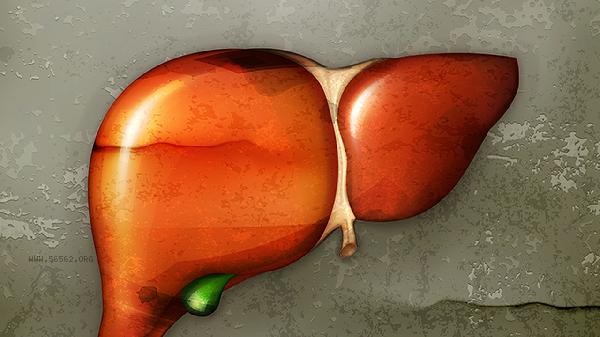
1. Adjust dietary structure
Reduce intake of refined carbohydrates and saturated fats, and replace staple foods with whole grains such as oats and brown rice. It is recommended to consume more than 500 grams of vegetables per day. The main cooking method is steaming and boiling, avoiding fried foods. Moderate increase in deep-sea fish, nuts, and other foods rich in omega-3 fatty acids can help improve liver steatosis.
2. Increase Aerobic Exercise
Engage in 150 minutes of moderate intensity aerobic exercise per week, such as brisk walking, swimming, or cycling. During exercise, the heart rate should be maintained at 60% -70% of the maximum heart rate, and continuous exercise for more than 30 minutes is necessary to effectively mobilize fat breakdown. Warm up and stretch before and after exercise to avoid sports injuries.
III. Weight Control
It is ideal to reduce weight by 2-4 kilograms per month through a combination of diet and exercise. Obese patients can significantly improve liver fat content by reducing their weight by 5% -10%. Avoiding rapid weight loss in the short term may lead to abnormal elevation of transaminase levels. Regularly monitoring changes in body fat percentage is more meaningful than simply focusing on weight.
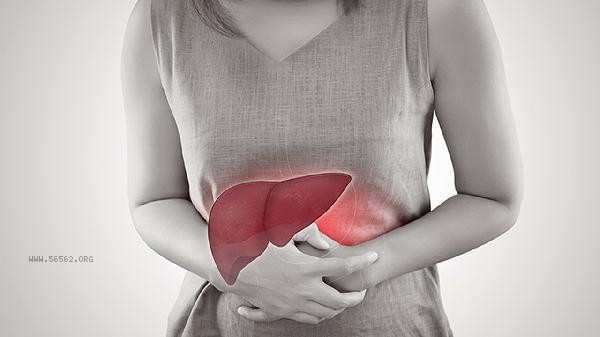
Fourth, limit alcohol consumption
Patients with alcoholic fatty liver disease must strictly quit drinking. Men with non-alcoholic fatty liver disease should consume no more than 25 grams of alcohol per day, and women should consume no more than 15 grams. Long term alcoholics need to gradually quit under the guidance of a doctor to avoid the occurrence of withdrawal syndrome. When drinking alcohol, avoid high-fat dishes and drinks to prevent exacerbating the burden on the liver.
V. Drug Intervention
For patients with metabolic abnormalities, they can follow the doctor's advice to use pioglitazone tablets to improve insulin resistance, atorvastatin calcium tablets to regulate blood lipids, and polyene phosphatidylcholine capsules to protect liver cell membranes. Medication should be adjusted in conjunction with lifestyle and should not be relied upon alone for treatment. Regularly review liver function and blood glucose and lipid indicators during medication. Patients with fatty liver should establish a regular sleep routine and ensure 7-8 hours of sleep per day. Moderate supplementation of vitamin E and milk thistle extract may help with liver repair, but should be used under the guidance of a nutritionist. Perform liver ultrasound and liver function tests every 3-6 months to dynamically observe the improvement of fatty liver. Symptoms such as worsening fatigue and jaundice require timely medical attention. Long term adherence to a healthy lifestyle is the key to reversing fatty liver.









Comments (0)
Leave a Comment
No comments yet
Be the first to share your thoughts!