
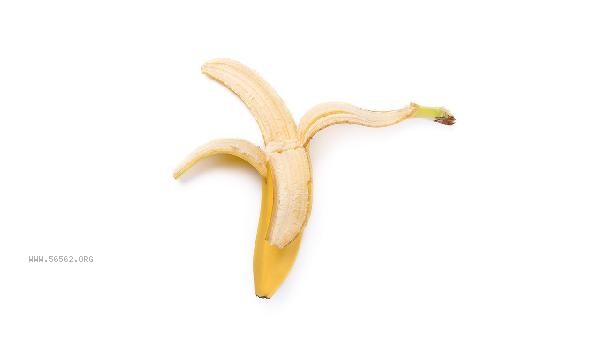
Bananas can be used as an auxiliary food during weight loss, helping to control weight through proper consumption and pairing. Moderate consumption of bananas during weight loss mainly serves to adjust dietary structure, increase dietary fiber intake, and replace high calorie snacks.
1. Adjusting dietary structure
Bananas are rich in carbohydrates and a small amount of high-quality protein, which can be used as a partial substitute for refined staple foods. Combining bananas and low-fat milk for breakfast can reduce the intake of rice and flour based foods and lower the total calorie intake throughout the day. The fructose and glucose in bananas can quickly provide energy and are suitable for small amounts of supplementation before exercise.
2. Increase dietary fiber
Bananas contain 2-3 grams of dietary fiber per 100 grams, which can promote gastrointestinal peristalsis and delay gastric emptying rate. Green bananas have a high content of resistant starch, and their water absorption can increase satiety. It is recommended to choose bananas with green skin, and pair them with oats or chia seeds for better results.
3. Alternative to high calorie snacks
Bananas' natural sweetness can meet the demand for sugar and can be used as a substitute for high sugar snacks such as cakes and cookies. Mixing frozen bananas into ice cream like shapes or slicing and drying them into banana crisps can satisfy the taste and reduce the intake of added sugar. It is advisable to control the daily consumption of 1-2 sticks. 4. Supplementing bananas with magnesium and potassium ions after exercise can help restore electrolytes after exercise. Eating half a banana with protein foods after moderate intensity exercise can help with muscle repair and avoid fat accumulation. High intensity trainers can choose to make milkshakes with bananas and yogurt as an extra meal.

5. Precautions
Patients with diabetes should monitor their blood sugar reaction after eating, and patients with kidney disease should control their potassium intake. Overconsumption may cause bloating or diarrhea, it is recommended to eat in portions. During the weight loss period, it is still necessary to ensure the intake of protein such as fish, meat, eggs, and milk, and avoid relying solely on bananas to prevent malnutrition. When incorporating bananas into a weight loss diet plan, it is recommended to engage in 30 minutes of aerobic exercise daily, such as brisk walking, swimming, etc. At the same time, pay attention to regular sleep and adequate water intake, and avoid eating bananas at night. If there is no continuous decrease in weight, you can consult a nutritionist to adjust your dietary structure, and if necessary, complete medical examinations such as thyroid function to rule out pathological obesity.








Comments (0)
Leave a Comment
No comments yet
Be the first to share your thoughts!