
The hardness of the body's meat may be related to factors such as muscle development, fat accumulation, or edema. Weight loss needs to be adjusted in combination with exercise, diet, and lifestyle habits.
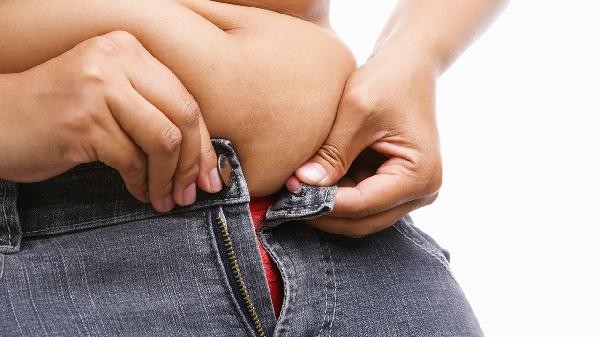
1. Aerobic exercise combined with strength training
Aerobic exercise such as jogging, swimming, etc. can help burn fat, and should be done at least 3 times a week for more than 30 minutes each time. Strength training such as squats and plank support can enhance muscle endurance and reduce fat percentage. Pay attention to stretching and relaxing after exercise to avoid excessive muscle tension.
2. Control calorie intake
Reduce high-fat and high sugar foods, increase the intake of high-quality protein such as chicken breast and fish, and pair with whole grains and vegetables and fruits. Drink at least 1500 milliliters of water daily to avoid edema caused by a high salt diet. Eat multiple meals in small quantities to prevent overeating.
3. Improve circulation metabolism
Soak feet in hot water or massage limbs daily to promote blood circulation. Wear loose clothing to avoid pressure, and move your limbs regularly during prolonged sitting. Ensure 7 hours of sleep to avoid staying up late and affecting metabolism.

4. Local targeted training
If the abdomen is stiff, focus on abdominal roll training, and if the legs are stiff, perform tiptoe exercises. Use the foam shaft to relax the myofascia, and use yoga to improve muscle flexibility. Pay attention to the gradual increase in training intensity.
5. Exclude pathological factors
hypothyroidism may lead to myxoedema, manifested as skin stiffness. Long term use of hormone drugs may also cause abnormal fat distribution. If adjusting lifestyle is ineffective, it is recommended to seek medical attention and check hormone levels. During weight loss, it is important to maintain patience and avoid extreme dieting or excessive exercise. Recording diet and exercise data helps to observe changes, and weight loss should not exceed 1 kilogram per week. If accompanied by symptoms such as abnormal thickening of the skin, depression without rebound when pressed, it is necessary to seek medical attention in a timely manner to check for fibrosis or lymphatic system diseases. Pressure socks can be worn daily to assist lower limb circulation, and electrolytes can be replenished after exercise to prevent dehydration.









Comments (0)
Leave a Comment
No comments yet
Be the first to share your thoughts!