
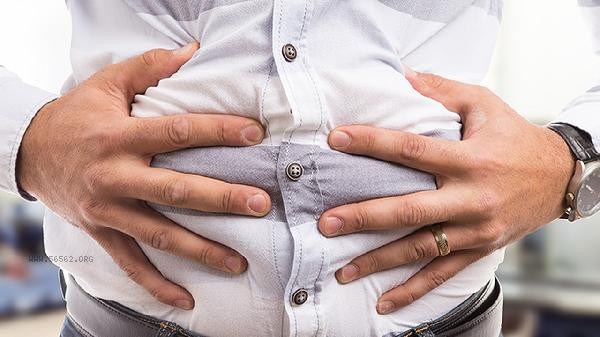
Boys with a large belly can lose weight by adjusting their diet, exercising regularly, improving sleep, controlling stress, and reducing alcohol consumption.
1. Adjust diet
Reduce the intake of refined carbohydrates and high sugar foods, such as white rice, noodles, pastries, etc. Increase foods rich in dietary fiber, such as oats, brown rice, broccoli, etc. Moderate intake of high-quality protein, such as chicken breast, fish, and soy products. Avoid fried foods and high salt foods, and use steaming and stewing as the main cooking method. Three meals a day should be scheduled and quantified to avoid overeating or excessive dieting.
2. Regular Exercise
Engage in moderate intensity aerobic exercise for at least 150 minutes per week, such as brisk walking, jogging, swimming, etc. Combining resistance training to enhance muscle mass, such as plank support, squats, push ups, etc. For abdominal fat, core exercises such as sit ups and Russian rotations can be added. Warm up and stretch before and after exercise to avoid sports injuries. Long term persistence is necessary to effectively reduce visceral fat.
3. Improve Sleep
Ensure 7-8 hours of high-quality sleep per day, avoiding staying up late and sleep deprivation. Avoid using electronic devices one hour before bedtime to reduce blue light stimulation. Keep the bedroom quiet, dark, and cool, and choose appropriate bedding. Establish a fixed schedule and avoid oversleeping on weekends. Lack of sleep can lead to an increase in cortisol and promote abdominal fat accumulation.

4. Control Stress
Long term stress can lead to sustained secretion of cortisol, which promotes fat accumulation in the abdomen. You can relax your body and mind through meditation, deep breathing, yoga, and other methods. Cultivate hobbies and interests to shift attention, such as reading, music, etc. Learn to allocate work and rest time reasonably and avoid overexertion. If necessary, seek psychological counseling or professional assistance.
5. Reduce alcohol consumption
Alcohol can inhibit fat metabolism and easily cause beer belly. Men should not consume more than 25 grams of alcohol per day. Avoid drinking alcohol on an empty stomach and drink plenty of water to promote metabolism. Choose low alcohol beverages instead of high alcohol beverages. Gradually reduce the frequency and amount of alcohol consumption, and ultimately achieve better results in quitting drinking. Long term alcohol consumption may also damage liver function and affect overall metabolism. Reducing belly weight requires a comprehensive lifestyle adjustment, and the effectiveness of simple dieting or local exercise is limited. Establish long-term healthy eating and exercise habits, maintain a regular schedule and a positive mindset. Regularly measure waist circumference and body fat percentage to monitor weight loss progress. If accompanied by other discomfort symptoms or poor weight loss results, it is recommended to seek medical attention promptly to check for endocrine or metabolic diseases. Avoid rapid weight loss during the weight loss process, and it is advisable to lose 0.5-1 kilogram per week.









Comments (0)
Leave a Comment
No comments yet
Be the first to share your thoughts!