
Menstrual weight loss is mainly achieved through adjusting dietary structure, moderate exercise, and other methods. It is not recommended to adopt extreme dieting or vigorous exercise.
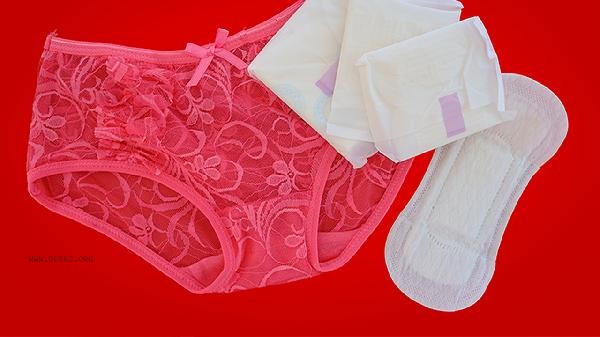
1. Adjust diet
During menstruation, it is advisable to increase iron rich foods such as lean meat and animal liver to help replenish the iron lost during menstruation. Choose low glycemic index staple foods such as oats and buckwheat, and pair them with high-quality protein such as eggs and fish to avoid high sugar and high-fat foods. Eating small meals multiple times a day can help stabilize blood sugar levels and reduce hunger.
2. Moderate exercise
It is recommended to choose low-intensity exercise such as walking and yoga three days before menstruation, and gradually resume aerobic exercise such as brisk walking and swimming in the later stage. The exercise time should be controlled at 30-45 minutes, and the heart rate should be maintained at 60% -70% of the maximum heart rate. Pay attention to replenishing water before and after exercise, and avoid movements with excessive pelvic floor pressure.
3. Ensure rest
During menstruation, it is necessary to ensure 7-8 hours of sleep and avoid staying up late. Taking a 20-30 minute nap during the day can help regulate levels of leptin and ghrelin. Soaking feet in warm water at around 40 ℃ for 15 minutes before bedtime can relieve fatigue and improve sleep quality.
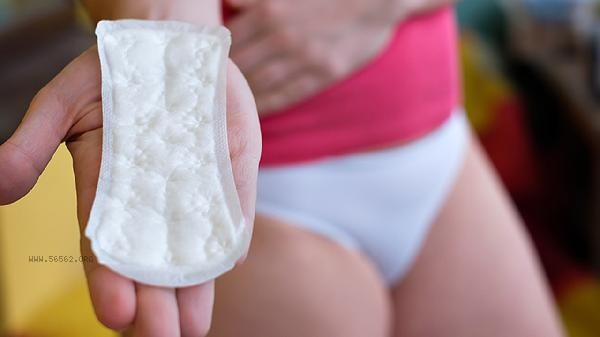
4. Regulating Emotions
Hormonal fluctuations during menstruation can easily cause emotional distress, which can be relieved through meditation, deep breathing, and other methods. Engaging in 3-4 mindfulness training sessions per week, each lasting 10 minutes, can lower cortisol levels and reduce the likelihood of emotional eating. Avoid relieving anxiety through overeating.
5. Nutritional supplementation
Under the guidance of a doctor, moderate supplementation of vitamin B and magnesium can help alleviate menstrual discomfort. Warm ginger tea or brown sugar water can be consumed daily, but the amount of added sugar should be controlled. Avoid excessive intake of caffeine and alcohol to prevent worsening of edema symptoms.
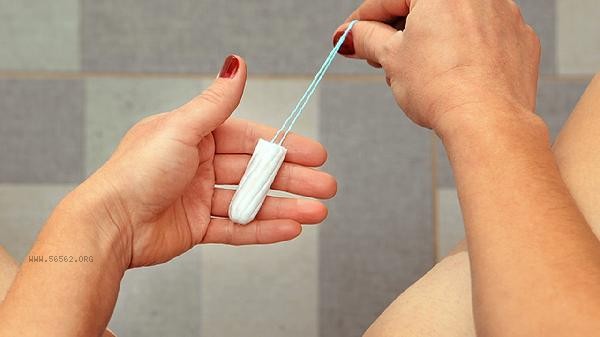
During menstruation, weight loss should be done gradually, with a recommended daily calorie intake of 300-500 calories. The week after the end of menstruation is the stage with higher fat loss efficiency, and it is advisable to increase the intensity of exercise appropriately. It is recommended to record menstrual cycles and physical reactions, and seek medical attention promptly if severe discomfort occurs. Long term maintenance of a balanced diet and regular exercise habits is healthier and more effective than short-term rapid weight loss.








Comments (0)
Leave a Comment
No comments yet
Be the first to share your thoughts!