
Rapid weight loss without rebound can be achieved through adjusting diet, regular exercise, adequate sleep, stress control, and medication treatment. Among them, dietary control and exercise are the most critical intervention measures.
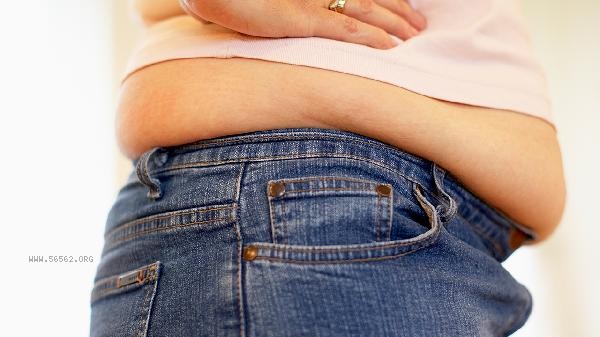
1. Adjust diet
Reduce the intake of high calorie foods, increase the proportion of vegetables and fruits, choose high-quality protein and whole grains as staple foods, and reduce the intake of refined carbohydrates. Control the portion size appropriately for each meal to avoid overeating. It is not recommended to adopt extreme dieting methods, as it can easily lead to a decrease and rebound in metabolic rate. It can record daily diet and help develop good eating habits.
2. Regular Exercise
Doing 150-300 minutes of moderate intensity aerobic exercise per week, such as brisk walking, swimming, cycling, etc., combined with 2-3 resistance training sessions, can help increase muscle mass and basal metabolic rate. Exercise requires gradual progress and long-term persistence, and short-term intense exercise cannot bring sustained effects. You can choose your favorite way of exercise based on your personal situation, which makes it easier to persist.
3. Adequate sleep
Ensuring 7-9 hours of sleep per day helps regulate levels of leptin and ghrelin. Lack of sleep can lead to increased appetite and metabolic disorders, which is not conducive to weight control. Establishing a regular sleep schedule, avoiding the use of electronic devices before bedtime, and creating a good sleeping environment can help improve sleep quality.
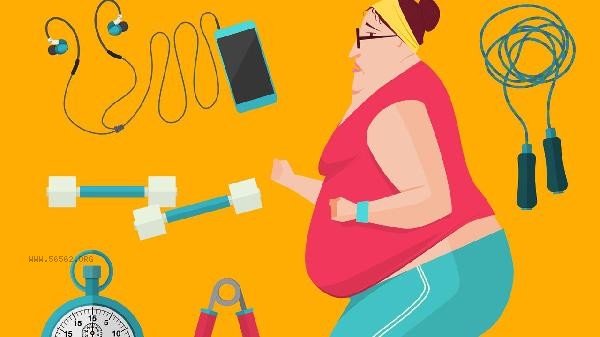
4. Control Stress
Long term stress can lead to an increase in cortisol levels, increasing the risk of abdominal fat accumulation. You can relieve stress through meditation, deep breathing, yoga, and other methods, and avoid coping with stress through overeating. Emotional management is an important part of maintaining a long-term healthy weight and requires sufficient attention.
5. Medication therapy
For severely obese patients, medication such as metformin hydrochloride sustained-release tablets and orlistat capsules can be used as adjuvant therapy under the guidance of a doctor. Drug therapy requires strict adherence to medical advice, regular monitoring of physical condition, and unauthorized use or increase of dosage. Medication can only serve as a short-term auxiliary measure and cannot replace a healthy lifestyle. Losing weight is a process that requires long-term persistence, and the key is to develop healthy lifestyle habits rather than short-term rapid weight loss. Establishing a reasonable diet structure, choosing sustainable exercise methods, maintaining good sleep and mood, all contribute to maintaining a stable weight. Regularly monitor weight changes to avoid drastic fluctuations in weight. If any abnormal situation occurs, it is recommended to seek medical evaluation in a timely manner and carry out weight management under professional guidance. Be careful to avoid blindly pursuing rapid weight loss results, so as not to harm your physical health.








Comments (0)
Leave a Comment
No comments yet
Be the first to share your thoughts!