
The fastest and most effective way to lose weight without rebounding can be achieved through dietary adjustments, reasonable exercise, behavioral interventions, medication assistance, surgical treatment, and other methods. The weight loss effect is closely related to individual metabolism and the scientific implementation of the plan, and extreme weight loss methods should be avoided.
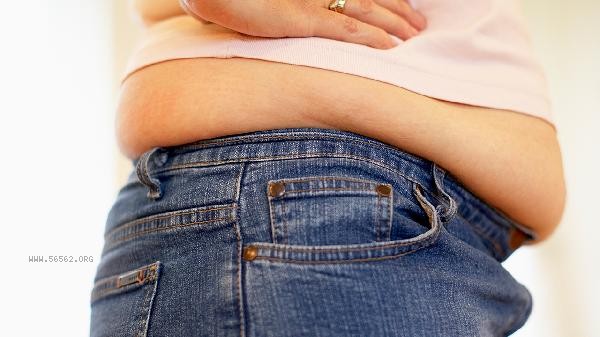
1. Dietary Adjustment
Limiting daily total calorie intake below expenditure is the core principle of weight loss, and it is recommended to have a high protein, low carbohydrate, and high dietary fiber diet structure. It is advisable to choose low calorie and high nutrient density foods such as chicken breast and broccoli, and replace high glycemic index staple foods such as refined rice and flour. Maintaining a daily calorie deficit of 500-750 kcal is safer to avoid excessive dieting that can lead to a decrease in basal metabolic rate.
2. Reasonable Exercise
Engaging in at least 150 minutes of moderate intensity aerobic exercise per week, such as brisk walking, swimming, etc., can effectively promote fat oxidation. Cooperate with impedance training 2-3 times a week to increase resting energy expenditure by increasing muscle mass. It is recommended to use HIIT high-intensity interval training, which can continuously improve metabolism for several hours due to excessive oxygen consumption after exercise.
3. Behavioral intervention
Establish regular eating rhythms and food diary recording habits, and improve emotional eating through cognitive-behavioral therapy. Use small-sized tableware to control single intake, with each meal lasting no less than 20 minutes to enhance satiety. Sleep management is equally important, ensuring 7-9 hours of sleep per day can stabilize appetite regulating hormone levels such as leptin.
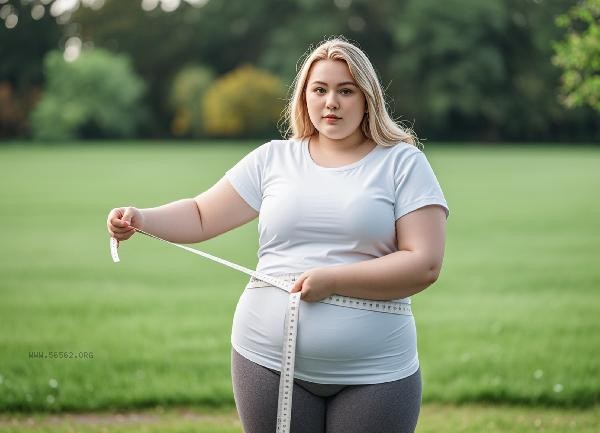
4. Medication assisted
may be considered for gastrointestinal lipase inhibitors such as orlistat capsules or GLP-1 receptor agonists such as liraglutide injection for patients with BMI ≥ 27kg/m ² and complications. The use of drugs such as metformin hydrochloride tablets to improve insulin sensitivity requires strict adherence to medical advice, and medication intervention needs to be accompanied by lifestyle adjustments to maintain long-term effects.
5. Surgical treatment
Sleeve gastrectomy or gastric bypass surgery can be an option for patients with BMI ≥ 40kg/m ² or ≥ 35kg/m ² and severe complications. After surgery, lifelong nutritional monitoring and vitamin supplementation are necessary, and common iron deficiency, vitamin B12 deficiency, etc. need to be prevented. Although surgical methods can significantly reduce weight, long-term dietary management is still necessary to prevent weight gain.

It is recommended to adopt a step-by-step weight loss strategy, with the initial focus on changing unhealthy eating habits and increasing daily activity. After 3-6 months, gradually increase the intensity of exercise according to the effect. Maintaining a weight loss rate of 0.5-1 kg per week is more conducive to the body's adaptation, as rapid weight loss can lead to skin laxity and metabolic disorders. It is recommended to measure body composition monthly during the long-term maintenance phase, adjust the plan in a timely manner, and develop a lifelong habit of exercising for more than 30 minutes a day to prevent rebound. For patients with endocrine disorders such as thyroid dysfunction and polycystic ovary syndrome, it is necessary to first treat the underlying disease before implementing a weight loss plan.








Comments (0)
Leave a Comment
No comments yet
Be the first to share your thoughts!