
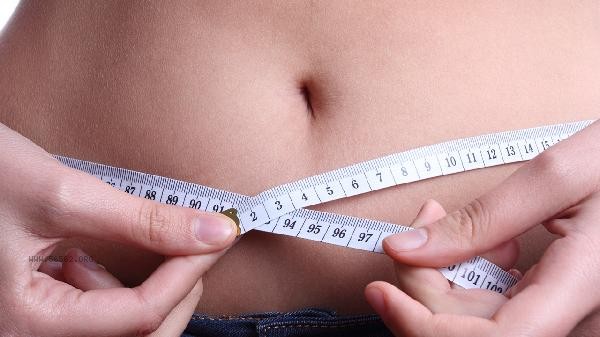
Fast and effective weight loss requires multidimensional interventions such as scientific dietary control, regular exercise, and behavioral adjustment. The main methods include adjusting dietary structure, increasing aerobic exercise, strength training, ensuring adequate sleep, and using medication as prescribed when necessary. The recommended weight loss rate is to reduce 0.5-1 kilogram per week and avoid extreme dieting or excessive exercise.
1. Adjust dietary structure
Reduce intake of refined carbohydrates and added sugars, and replace white rice and flour with whole grains. Increase the intake of high-quality protein such as chicken breast, fish and shrimp, and soy products, and pair each meal with a large amount of non starch vegetables. Control the amount of edible oil and choose healthy fats such as olive oil and flaxseed oil. Avoid high calorie foods such as fried foods and sweet drinks, and use low-fat cooking methods such as steaming and stewing.
2. Increase aerobic exercise
Engage in 150-300 minutes of moderate intensity aerobic exercise per week, such as brisk walking, swimming, cycling, etc. High intensity interval training can be used to improve fat burning efficiency, such as alternating a 30 second sprint run with a 1-minute slow run. Maintaining a heart rate in the range of 60% -80% of maximum heart rate during exercise, and continuous exercise for more than 30 minutes can better mobilize fat for energy supply.
3. Strength Training
Conduct 2-3 full body resistance training sessions per week, focusing on exercising large muscle groups such as squats, hard pulls, bench presses, and other compound movements. An increase in muscle mass can improve basal metabolic rate, consuming 30-50 calories per day for every 1 kilogram of muscle gain. Use dumbbells, elastic bands, or self weight training, repeat each movement 8-12 times until exhausted.

4. Ensure adequate sleep
Maintain 7-9 hours of high-quality sleep per day. Lack of sleep can lead to a decrease in leptin and an increase in ghrelin. Establish a fixed schedule and avoid using electronic devices before bedtime. Poor sleep quality may reduce weight loss by 55% and increase the desire for high sugar and high-fat foods.
5. Medication assisted therapy
For individuals with a body mass index exceeding 27 and concomitant metabolic disorders, they can follow the doctor's advice to use Orlistat capsules to inhibit fat absorption or Liraglutide injection to regulate appetite. Medication should be accompanied by lifestyle changes, and common side effects include gastrointestinal discomfort. It is prohibited to purchase weight loss pills on your own.

During weight loss, the daily water intake should reach 2000-3000 milliliters, consumed in small portions. Recording diet and exercise can help maintain self-discipline, and during the plateau period, one can adjust their exercise style or diet ratio. To avoid problems such as skin sagging and menstrual disorders caused by rapid weight loss, it is necessary to maintain it for at least 6 months after weight loss to prevent rebound. It is recommended to regularly monitor indicators such as body fat percentage and waist circumference, and consult a nutritionist if necessary to develop personalized plans.








Comments (0)
Leave a Comment
No comments yet
Be the first to share your thoughts!