
Rapid weight loss can be achieved through adjusting dietary structure, increasing exercise, controlling eating time, improving sleep quality, and following medical advice to use medication. Rapid weight loss may pose health risks due to extreme methods, and it is recommended to adopt scientific weight loss programs.

1. Adjust dietary structure
Reduce intake of refined carbohydrates and added sugars, and increase the ratio of high-quality protein to dietary fiber. The daily staple food can be replaced with whole grains such as oats and brown rice, paired with low-fat and high fiber ingredients such as chicken breast and broccoli. Avoid fried foods and sugary drinks, and use steaming as the main cooking method. Long term extreme dieting may induce gastrointestinal dysfunction.
2. Increase exercise volume
Adopt a combination of aerobic exercise and resistance training, and maintain exercise habits for more than 5 days a week. In the initial stage, low impact exercises such as brisk walking and swimming can be started, and gradually combined with dumbbell training to improve basal metabolic rate. It is recommended to maintain a duration of at least 40 minutes for each exercise session, but precautions should be taken to avoid the risk of sports injuries. For those with joint problems, water exercise should be chosen.
3. Control eating time
Implement an 8-10 hour timed eating method, concentrating three meals during the daytime. Breakfast should contain enough protein to slow down hunger, and dinner is recommended to end before sunset. This light fasting mode helps to regulate insulin sensitivity, but patients with diabetes must consult a doctor before implementation.

4. Improving sleep quality
Ensuring 7 hours of deep sleep per day can stabilize leptin secretion levels. Avoid exposure to blue light and high-intensity exercise 2 hours before bedtime, and maintain a dark and cool environment in the bedroom. Chronic sleep deprivation can exacerbate the accumulation of abdominal fat caused by elevated cortisol levels, and sleep monitoring may be necessary when necessary.
5. Medication assisted therapy
For obese patients who meet medical indications, doctors may prescribe medications such as orlistat capsules and liraglutide injection. This type of medication works by inhibiting fat absorption or regulating appetite, and strict monitoring of liver and kidney function is required. Do not self medicate with non indications such as diuretics or thyroid hormones.
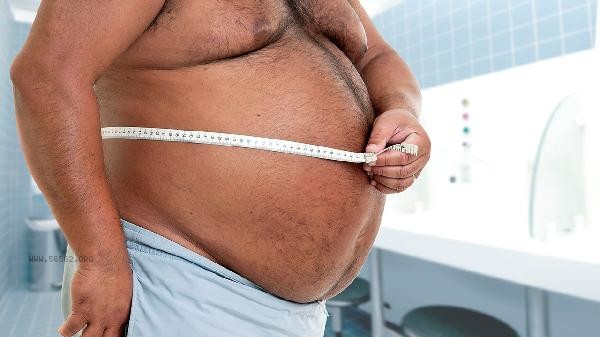
Rapid weight loss can lead to rebound, and it is recommended to control the weekly weight loss rate within 1% of body weight. Daily diet and exercise data can be recorded, and regular body composition analysis can be conducted. If accompanied by abnormal symptoms such as dizziness and amenorrhea, extreme weight loss measures should be immediately stopped and medical attention sought. Maintaining an ideal weight in the long term requires establishing a sustainable and healthy lifestyle, rather than relying on short-term aggressive measures.








Comments (0)
Leave a Comment
No comments yet
Be the first to share your thoughts!