
During menstruation, healthy weight loss can be achieved through dietary adjustments, moderate exercise, and correcting lifestyle habits, but excessive dieting and high-intensity exercise should be avoided.
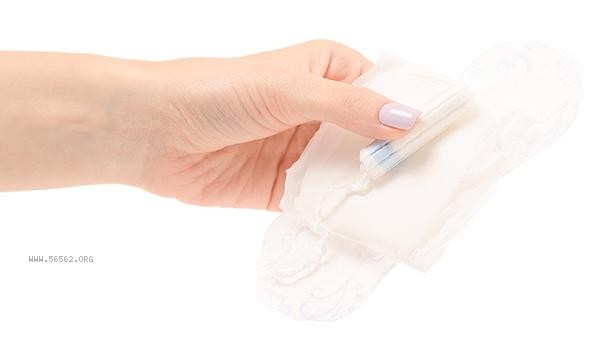
1. Dietary Adjustment
It is recommended to choose foods rich in iron and high-quality protein, such as lean meat, animal liver, spinach, etc., to help supplement the nutrients lost during menstruation. Appropriately increasing the intake of low glycemic index staple foods such as whole grains and oats, combined with vegetables and fruits rich in dietary fiber such as broccoli and apples, can enhance satiety without causing drastic fluctuations in blood sugar levels. Eat small meals multiple times a day, divide the three meals into 4-5 meals, avoid overeating, and control the total daily calorie intake to no more than 1800 calories.
2. Moderate Exercise
Three days before menstruation, low-intensity exercises such as walking and yoga can be chosen, lasting 20-30 minutes each time, gradually returning to aerobic exercises such as brisk walking and swimming in the later stage. Avoid exercises that increase abdominal pressure, such as abdominal rolls and squats, as well as high-intensity training such as marathons. Pay attention to keeping warm during exercise, carry chocolate or sports drinks to prevent hypoglycemia, and stop immediately if you experience dizziness or abdominal pain.
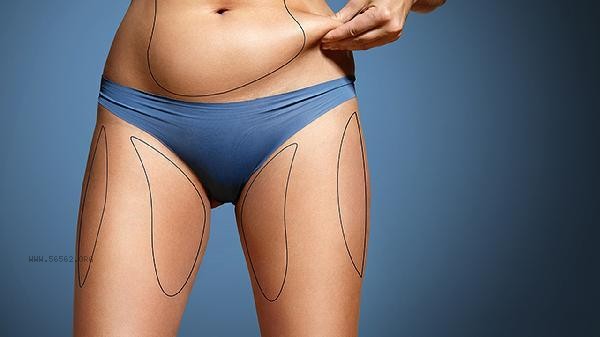
III. Lifestyle Habits
Ensure 7-8 hours of sleep per day to avoid staying up late and causing endocrine disorders. Use a hot water bag to apply hot compress to the abdomen to relieve menstrual pain, and relax through meditation, listening to music, and other methods. Drink 1500-2000 milliliters of warm water every day, in small amounts and multiple times, to avoid aggravating edema by drinking a large amount of water at once. Gradually increasing exercise intensity after menstruation and combining it with dietary control can achieve better results.
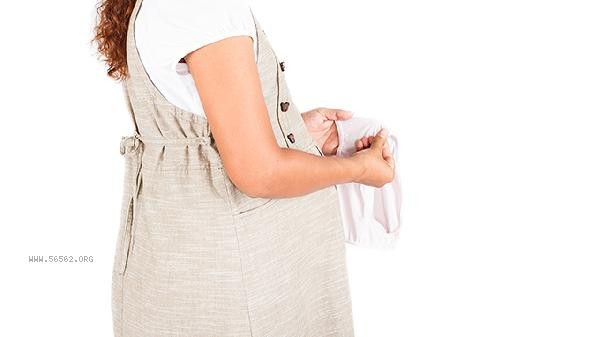
Menstrual weight loss requires special attention to nutritional balance and exercise safety. In terms of diet, one can choose high iron and high protein foods combined with appropriate amounts of carbohydrates, use healthy cooking methods such as steaming, and avoid fried foods. Choose a soothing pad exercise or short walk for exercise, wear breathable cotton clothing, and change hygiene products in a timely manner. Maintain a regular schedule, fall asleep at a fixed time every day, and soak your feet in hot water before bedtime to promote blood circulation. After the end of menstruation, one can gradually return to a normal exercise plan, but it is necessary to continuously control calorie intake and increase basal metabolic rate through strength training in order to achieve long-term healthy weight loss.








Comments (0)
Leave a Comment
No comments yet
Be the first to share your thoughts!