
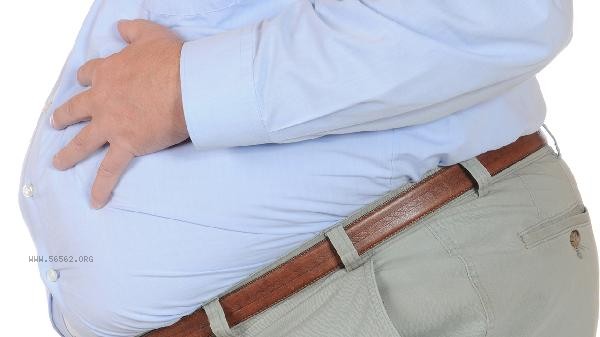
Phlegm dampness type obesity can be improved through strengthening the spleen and dispelling dampness, adjusting dietary structure, moderate exercise, traditional Chinese medicine regulation, and medication treatment. This type of obesity is mainly related to dysfunction of the spleen and stomach, stagnation of water and dampness, often accompanied by symptoms such as thick and greasy tongue coating and heavy limbs.
1. Strengthening the spleen and removing dampness
The core pathogenesis of phlegm dampness obesity lies in spleen deficiency and excess dampness. In daily life, you can use Chixiaodou, Coix seed, Poria cocos and other food ingredients with the same origin of medicine and food to cook Congee or substitute tea drinks to help promote water and moisture absorption. Traditional Chinese medicine dietary formulas such as Si Shen Tang (lotus seeds, water chestnuts, yam, and Poria cocos) can regulate spleen and stomach function in the long term. To avoid aggravating dampness caused by raw, cold, greasy foods, it is recommended to drink ginger and red date water on an empty stomach every morning to boost spleen yang.
2. Adjust dietary structure
Strictly control the intake of refined carbohydrates and saturated fats, replace white rice and flour with whole grains such as brown rice and oats, and increase the proportion of diuretic ingredients such as winter melon and celery. The main cooking methods are steaming and stewing, reducing frying. Daily water intake should be controlled at 1500-2000 milliliters, consumed in small amounts in small portions to avoid excessive drinking at once, which can increase the burden on the spleen and stomach.
3. Moderate exercise
Choose aerobic exercises such as Eight Section Brocade, jogging, swimming, etc., combined with stretching. Exercise 3-5 times a week for 30-40 minutes each time until slight sweating is recommended. Wipe off sweat promptly after exercise to avoid invasion of dampness. Avoid activities such as intense exercise or high-temperature yoga that can cause excessive sweating, in order to prevent gas exhaustion and damage to the yin. Under the guidance of a traditional Chinese medicine practitioner, moxibustion can be applied to acupoints such as Zusanli and Fenglong, or cupping can be used to clear the bladder meridian. Traditional Chinese medicine decoctions such as Shen Ling Bai Zhu San and Er Chen Tang are used for syndrome differentiation with modifications. People with a cold constitution can try applying Sanfu plaster, while those with obvious Yang deficiency can improve their basal metabolism by combining Du Mai moxibustion.
5. Medication treatment
When phlegm and dampness are severe, Xiangsha Liujun Wan can be used for a short period of time under the guidance of a doctor to strengthen the spleen and dispel dampness, or Wuling tablets can be used to promote diuresis and dampness. Patients with constipation can use Zhishi Daozhi Pill, while those with high blood lipids should choose Xuezhikang Capsules. Prohibiting diuretics and other Western medicines for forced dehydration may worsen spleen and stomach damage.
Long term lifestyle adjustments for phlegm dampness type obesity include: maintaining a regular daily routine to avoid staying up late, paying attention to keeping the waist and abdomen warm when dressing, and reducing outdoor exposure to prevent external dampness in rainy weather. Regularly monitor changes in body fat percentage rather than simply focusing on weight, and it is recommended to lose no more than 5% of your current weight per month. If there are symptoms of fever such as bitter mouth, insomnia, or persistent weight loss, it is necessary to promptly go to the Traditional Chinese Medicine Department for follow-up consultation and adjust the plan.








Comments (0)
Leave a Comment
No comments yet
Be the first to share your thoughts!