
Menopausal obesity can be reduced through adjusting dietary structure, increasing exercise, improving sleep, regulating hormone levels, and psychological interventions. Menopausal obesity may be related to factors such as decreased estrogen levels, decreased basal metabolic rate, and unhealthy lifestyle habits.
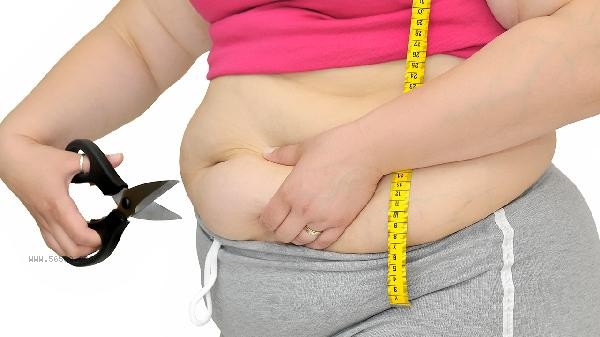
1. Adjust dietary structure
Control total calorie intake and appropriately reduce the proportion of high-fat and high sugar foods. Eat more coarse grains, beans, vegetables, and fruits rich in dietary fiber, and increase the intake of high-quality protein such as fish, shrimp, lean meat from poultry, soy products, etc. appropriately. The main cooking method is steaming and stewing, avoiding deep frying and stir frying. Food diversity contributes to a balanced intake of nutrients.
2. Increase physical activity
Choose moderate intensity aerobic exercise such as brisk walking, swimming, and cycling, and stick to it 3-5 times a week for 30-60 minutes each time. It can be combined with resistance training such as plank support, squats, etc. to enhance muscle strength. During exercise, attention should be paid to measuring heart rate and controlling it within the range of 60% -70% of the maximum heart rate. Gradually increase the intensity of exercise.
3. Improve sleep
Maintain a regular sleep schedule and avoid vigorous exercise and eating 2 hours before bedtime. The bedroom environment should be kept quiet and comfortable, with a suitable temperature. Sleep quality can be improved through meditation, mindfulness based stress reduction, and other methods. Lack of sleep can lead to a decrease in leptin secretion and an increase in ghrelin levels.
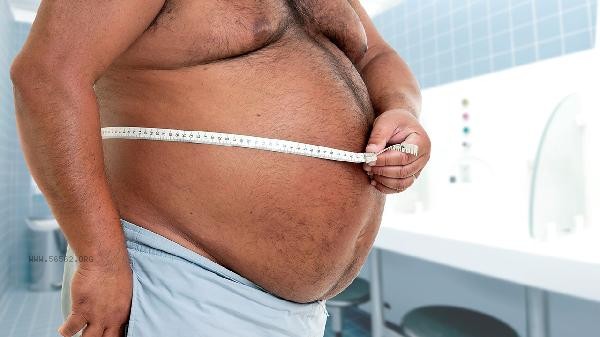
4. Regulating hormone levels
Under the guidance of a doctor, evaluate whether hormone replacement therapy is needed. Reasonable supplementation of estrogen and progesterone can improve metabolic disorders. Soy products contain plant estrogens such as soy isoflavones, and moderate intake can help alleviate symptoms. Avoid taking health supplements on your own.
5. Psychological Intervention
Menopausal emotional fluctuations can affect dietary habits. Emotions can be alleviated through psychological counseling, social activities, and other means. Family members should provide understanding and support. Stress management helps to control stress-induced eating behavior.
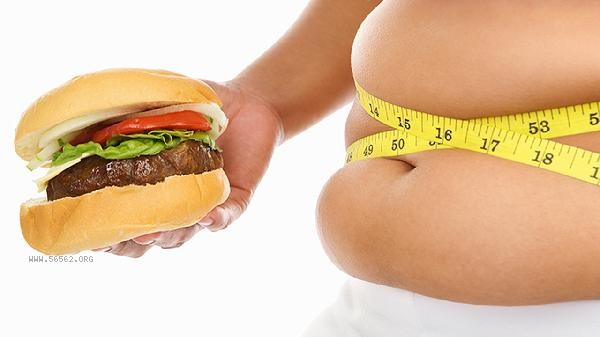
It is not recommended to lose weight quickly during menopause. It is advisable to reduce 1-2 kilograms per month to avoid affecting endocrine function. Daily attention should be paid to supplementing calcium to prevent osteoporosis, and increasing outdoor activities in moderation to promote vitamin D synthesis. Persisting in the weight loss process requires patience. It is recommended to undergo regular physical examinations to monitor changes in blood pressure, blood sugar, blood lipids, and other indicators, and adjust the weight loss plan in a timely manner if problems are found.








Comments (0)
Leave a Comment
No comments yet
Be the first to share your thoughts!