
Abdominal obesity can be reduced through adjusting diet, increasing exercise, improving lifestyle habits, traditional Chinese medicine regulation, medical intervention, and other methods. Abdominal obesity is usually caused by poor dietary habits, lack of exercise, metabolic abnormalities, hormonal imbalances, genetics, and other factors.
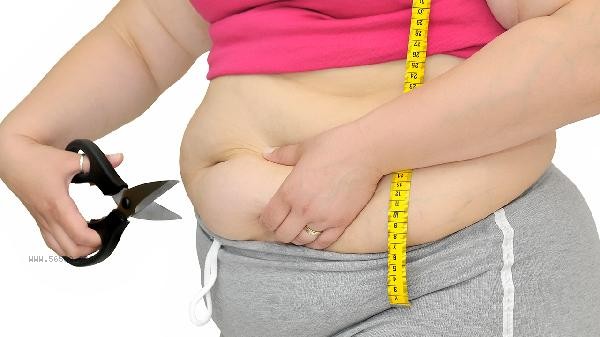
1. Adjust diet
Reduce the intake of high sugar and high-fat foods, such as pastries, fried foods, etc., and avoid excessive intake of carbohydrates. Increasing the intake of dietary fiber, such as oats, brown rice, celery, broccoli, etc., can help enhance satiety and promote gastrointestinal motility. Three meals a day should be scheduled and quantified to avoid overeating, and additional meals should be reduced at night. The diet should mainly consist of high-quality protein and low glycemic index foods, with moderate supplementation of nuts and deep-sea fish. Avoid sugary drinks and alcohol intake, and replace with plain water or light tea.
2. Increase Exercise
Engage in aerobic exercise every week, such as brisk walking, swimming, skipping rope, etc., for at least 30 minutes each time. Combining high-intensity interval training can improve fat burning efficiency, such as opening and closing jumps, bouncing, and other movements. For the abdomen, core exercises such as flat support and supine abdominal rolling can be performed to strengthen the rectus abdominis and transverse abdominis muscles. Warm up and stretch before and after exercise to avoid muscle damage. It is recommended to maintain a daily walking activity of at least 6000 steps or more.
3. Improve lifestyle habits
Ensure 7-8 hours of sufficient sleep every day to avoid leptin secretion disorders caused by staying up late. Reducing mental stress can be achieved through meditation, deep breathing, and other methods to alleviate tense emotions. Avoid prolonged sitting and get up and move for 5-10 minutes every hour. Quit smoking and limit alcohol consumption to reduce adverse effects on metabolism. Record daily diet and exercise to establish a healthy lifestyle routine.
Fourth, Traditional Chinese Medicine Regulation
Acupoint massage can be performed under the guidance of professional traditional Chinese medicine practitioners, such as pressing the Zhongwan acupoint, Tianshu acupoint, etc., to promote digestion and metabolism. Moderate consumption of substitute tea drinks such as hawthorn tangerine peel tea and lotus leaf tea can assist in reducing fat and dampness. Using methods such as moxibustion at Shenque and Guanyuan acupoints to warm the yang and invigorate the spleen. Cupping therapy can promote local blood circulation. Diagnosis and treatment should be based on syndrome differentiation to avoid blindly adopting traditional Chinese medicine therapies on one's own.
V. Medical Intervention
For pathological obesity, medication such as Orlistat capsules can be used according to medical advice to inhibit fat absorption. Severe metabolic abnormalities require endocrine system examination to rule out issues such as hypothyroidism. In extreme cases, weight loss surgeries such as laparoscopic gastrectomy may be considered. All medical measures must be evaluated by a professional physician. It is not recommended to take any weight loss medication on your own. Reducing abdominal fat requires long-term adherence to a healthy lifestyle. The daily water intake should reach around 2000 milliliters to promote metabolism. Choose whole grains instead of refined rice and flour, and consume more than half of the total amount of vegetables and fruits per meal. Avoid the temptation of rapid weight loss programs and maintain a reasonable weight loss rate of 0.5-1 kilogram per week. Regularly measure waist circumference and body fat percentage, and pay attention to changes in visceral fat. If discomfort symptoms such as dizziness and fatigue occur, seek medical attention promptly. Developing regular exercise habits and seeking like-minded partners to encourage each other is more helpful in adhering to a healthy weight loss plan.









Comments (0)
Leave a Comment
No comments yet
Be the first to share your thoughts!