
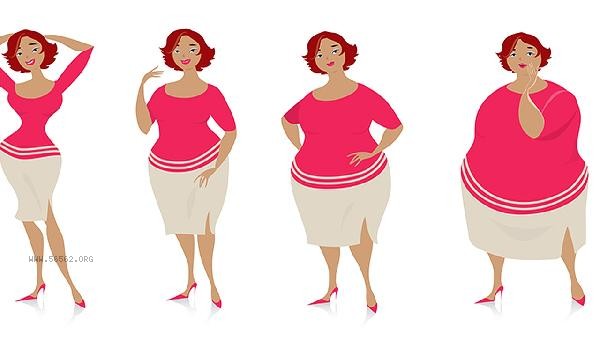
People with slow metabolism can lose weight by adjusting their diet, exercising moderately, improving sleep, regulating psychological stress, and following medical advice to use medication. Slow metabolism may be related to genetic factors, hypothyroidism, lack of exercise, malnutrition, chronic diseases, and other factors.
1. Adjusting dietary structure
People with slow metabolism need to increase their intake of high-quality protein and dietary fiber, such as egg white, chicken breast, broccoli, etc., which can help maintain muscle mass and promote intestinal peristalsis. To avoid further decline in basal metabolic rate caused by excessive dieting, a small and frequent meal pattern can be adopted, and the daily calorie deficit should be controlled within a reasonable range.
2. Moderate exercise
It is recommended to combine resistance training with aerobic exercise, such as squats, plank support combined with brisk walking or swimming, and exercise several times a week. An increase in muscle mass can enhance static energy expenditure, but there may be a brief metabolic boost after exercise.
3. Improving Sleep
Lack of sleep can affect the balance of leptin and ghrelin secretion, and it is recommended to maintain sufficient sleep time. Avoid using electronic devices before bedtime, create a quiet and dark sleeping environment, and if necessary, follow the doctor's advice to use sleeping aids such as sedative and brain boosting fluids for a short period of time.

4. Regulating psychological stress
Long term stress can lead to elevated cortisol levels, which may trigger central obesity. Stress can be relieved through mindfulness meditation, breathing exercises, and other methods. In severe cases, consult a psychologist to avoid emotional eating.
5. Use drugs according to the doctor's advice
Those diagnosed with hypothyroidism can take levothyroxine sodium tablets according to the doctor's advice, and patients with diabetes can use metformin hydrochloride sustained-release tablets. Please note that medication may cause adverse reactions such as palpitations and gastrointestinal discomfort, and do not adjust the dosage on your own. People with slow metabolism need to regularly monitor changes in weight and body fat percentage during weight loss to avoid muscle loss caused by rapid weight loss. Daily diet and exercise can be recorded, and the plan can be adjusted in a timely manner when the plateau period is discovered. If accompanied by symptoms such as fear of cold, constipation, and fatigue, it is recommended to go to the endocrinology department for screening of thyroid diseases. Daily consumption of foods such as green tea or chili peppers may help improve metabolic rate, but the effect is limited and requires long-term persistence.








Comments (0)
Leave a Comment
No comments yet
Be the first to share your thoughts!