
Menstrual weight loss can be achieved through adjusting dietary structure, moderate exercise, ensuring sufficient sleep, managing stress, and supplementing iron elements. Women are more sensitive during their menstrual period and should avoid excessive dieting or vigorous exercise.
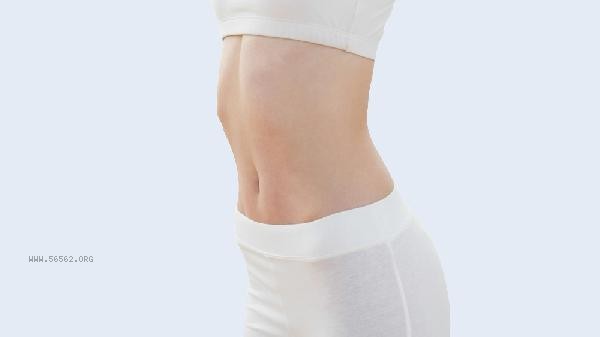
1. Adjusting dietary structure
During menstruation, increasing the intake of high-quality protein in moderation, such as eggs, fish, soy products, etc., can help maintain muscle mass. Simultaneously choose staple foods with low glycemic index, such as oats and brown rice, to avoid hunger caused by blood sugar fluctuations. Consume sufficient fresh vegetables and fruits every day to supplement vitamins and minerals. Reduce intake of high salt, high sugar, and fried foods to alleviate edema symptoms.
2. Moderate exercise
Low intensity exercise such as walking and yoga can be chosen three days before menstruation, and gradually resume aerobic exercise such as brisk walking and swimming in the later stage. The exercise duration should be controlled at 30-45 minutes, and the heart rate should be maintained at around 60% of the maximum heart rate. Avoid actions that increase abdominal pressure, such as rolling the abdomen or standing upside down, to prevent retrograde flow of menstrual blood. Timely replenish water and electrolytes after exercise.
3. Ensure adequate sleep
Ensuring 7-9 hours of sleep per day during menstruation helps regulate the secretion of leptin and growth hormone. Avoid using electronic devices one hour before bedtime and drink warm low-fat milk or chamomile tea instead. Keep the bedroom temperature between 18-22 degrees Celsius and use blackout curtains to improve sleep quality. A short break of 20-30 minutes can be arranged during lunchtime.
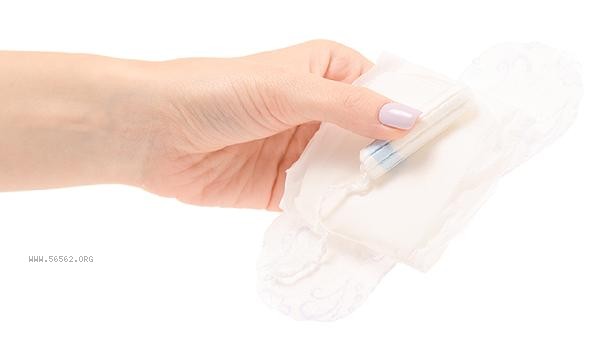
4. Managing Stress
Changes in estrogen levels during menstruation can easily cause emotional fluctuations, and stress can be relieved through meditation, deep breathing, and other methods. Practice mindfulness for 10-15 minutes every day or keep an emotional diary. Avoid making major decisions during menstruation and reduce work intensity. Maintain communication with family and friends, and seek professional psychological counseling if necessary.
5. Supplementing Iron
During menstruation, iron loss increases. It is recommended to consume iron rich foods such as animal liver, red meat, spinach, etc. in moderation, combined with vitamin C to promote absorption. If symptoms of anemia such as fatigue and dizziness occur, iron supplements such as dextran iron oral solution and protein succinate iron oral solution can be taken according to medical advice. During the iron supplementation period, avoid consuming beverages such as coffee and strong tea that affect iron absorption at the same time.
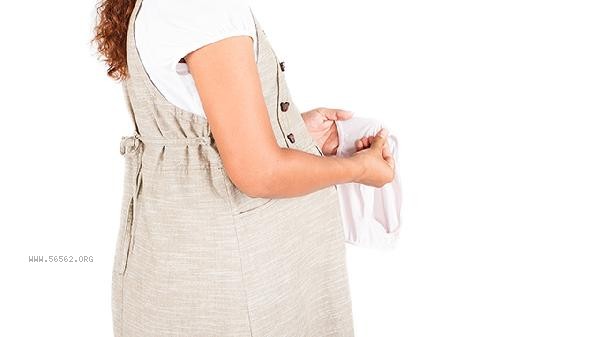
During menstruation, the weight may increase by 1-3 kg due to water retention, which is a normal physiological phenomenon. It is not advisable to pay too much attention to the number changes. It is recommended to use a tape measure to measure body circumference indicators such as waist circumference and leg circumference more accurately. Maintain a daily water intake of 2000-2500 milliliters throughout the entire cycle, and increase exercise intensity appropriately when the metabolic rate is high one week after menstruation. If severe dysmenorrhea or abnormal bleeding occurs, the weight loss plan should be stopped immediately and medical examination should be sought.








Comments (0)
Leave a Comment
No comments yet
Be the first to share your thoughts!