
During menstruation, it is safe to lose weight by adjusting diet structure, moderate exercise, replenishing water, maintaining a regular sleep schedule, and soothing emotions.
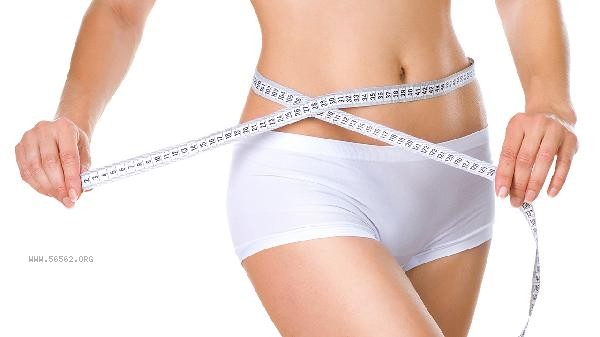
1. Adjusting dietary structure
Endocrine changes during menstruation may lead to appetite fluctuations. It is recommended to choose low glycemic index foods such as oats, brown rice, and other whole grains, combined with high-quality proteins such as eggs and fish, to help stabilize blood sugar. Properly increase iron rich foods such as lean meat and spinach to compensate for menstrual iron loss. Avoid high salt, high sugar, and cold foods to reduce edema and gastrointestinal discomfort.
2. Moderate Exercise
Three days before menstruation, you can choose gentle stretching, walking, or yoga, and gradually resume aerobic exercises such as brisk walking and swimming in the later stage. The intensity of exercise should not cause significant fatigue, and high-intensity training such as handstands and HIIT should be avoided. Moderate exercise can promote the secretion of endorphins, alleviate dysmenorrhea, and help burn calories.
3. Supplement Water
Maintain a daily water intake of 1500-2000 milliliters, preferably warm drinking water or red date ginger tea. Adequate hydration can accelerate metabolic circulation and alleviate bloating and constipation. But excessive caffeine intake should be avoided to avoid exacerbating iron absorption disorders or causing anxiety.

4. Regular sleep schedule
Ensure 7-8 hours of sleep and try to fall asleep before 23:00. Lack of sleep can exacerbate cortisol levels and promote fat accumulation. Take a 20 minute nap during lunchtime to help restore energy but avoid affecting nighttime sleep rhythm.
5. Soothing Emotions
Hormonal fluctuations during menstruation can easily trigger emotional anxiety, which can be regulated through meditation, aromatherapy, or abdominal breathing. Emotional stability helps reduce the urge to overeat and avoid weight rebound caused by stress eating. During menstruation, weight loss should be based on physical tolerance. If severe symptoms such as dysmenorrhea and dizziness occur, the weight loss plan should be stopped immediately. The metabolic rate is higher one week after menstruation, which can be combined with staged energy control and exercise planning. Long term healthy weight loss still requires a balance between nutrition and moderate exercise. It is not recommended to excessively diet or take weight loss drugs during menstruation.









Comments (0)
Leave a Comment
No comments yet
Be the first to share your thoughts!