
During menstruation, weight loss can be achieved through controlling diet, moderate exercise, supplementing nutrition, adjusting daily routines, and psychological regulation. Fluctuations in hormone levels during menstruation may affect metabolism, and it is recommended to adopt scientific methods to avoid affecting health.
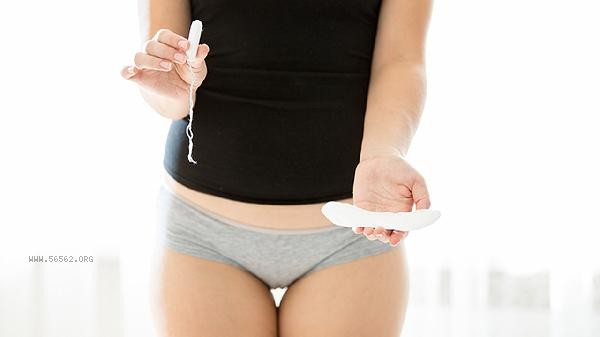
1. Control diet
During menstruation, reduce the intake of high sugar and high-fat foods, and avoid fried foods and desserts. You can choose coarse grains such as oatmeal and brown rice that are rich in dietary fiber, and pair them with green leafy vegetables such as broccoli and spinach. Moderate daily intake of high-quality protein such as chicken breast and lean beef can help maintain muscle mass. Edema may occur during the premenstrual period, and daily salt intake should be controlled below 5 grams.
2. Moderate exercise
Low intensity exercise such as walking and yoga can be done on the first and second days of menstruation, for 15-30 minutes each time. After reducing the amount of bleeding, aerobic exercises such as brisk walking and swimming can be gradually resumed 3-4 times a week. Avoid movements that compress the abdomen, such as handstands and abdominal rolls, to prevent exacerbating pelvic congestion. Pay attention to keeping warm during exercise and replenish warm water in a timely manner.
3. Supplement nutrition
Increase animal liver, lean meat and other iron rich foods in moderation to prevent iron deficiency anemia. 10-15 grams of nuts can be consumed daily to supplement unsaturated fatty acids. Drinking red date goji berry tea or ginger brown sugar water can help alleviate uterine coldness. Avoid excessive consumption of caffeinated beverages and limit daily coffee intake to no more than 200 milliliters.
4. Adjust your schedule
Ensure 7-8 hours of sleep per day, preferably before 23:00. Take a 20-30 minute break during lunchtime to relieve fatigue. Avoid using electronic devices one hour before bedtime, and soak your feet in hot water to promote blood circulation. Maintain a bedroom temperature of 18-22 ℃ and use breathable cotton bedding.
5. Psychological regulation
Emotional fluctuations may occur 7 days before menstruation, which can be relaxed through meditation, deep breathing, and other methods. Record menstrual cycles and emotional changes to establish a healthy lifestyle. Avoid setting overly strict weight loss goals and aim to lose no more than 0.5 kilograms per week. If there is persistent irritability or depression, it is recommended to seek professional psychological support. During menstruation, special attention should be paid to body signals for weight loss. If symptoms such as severe fatigue and dizziness occur, the weight loss plan should be stopped immediately. It is recommended to choose a mild weight loss method and avoid excessive dieting or vigorous exercise. It can make special recipes for menstruation, and cook porridge with red beans, black rice and other ingredients. Maintain a daily intake of 2000 milliliters of warm water, and gradually return to normal exercise intensity after the end of menstruation. If there is a continuous abnormal change in weight, it is recommended to seek medical attention from a gynecology or endocrinology department to check hormone levels.








Comments (0)
Leave a Comment
No comments yet
Be the first to share your thoughts!