
Menstrual weight loss can be achieved through adjusting dietary structure, moderate exercise, supplementing trace elements, maintaining regular sleep patterns, psychological regulation, and other methods. Menstrual weight loss may be related to factors such as hormonal fluctuations, changes in energy requirements, increased metabolic rate, pelvic congestion and edema, and emotional fluctuations.

1. Adjust dietary structure
Increasing iron rich foods during menstruation, such as pig liver, duck blood, spinach, etc., can help prevent iron deficiency anemia. Reduce the intake of refined sugar and high salt food, and avoid water retention aggravating edema symptoms. A small number of meals can be eaten every day. Choose warm oatmeal Congee, red date millet porridge and other easily digestible foods to reduce the gastrointestinal burden.
2. Moderate Exercise
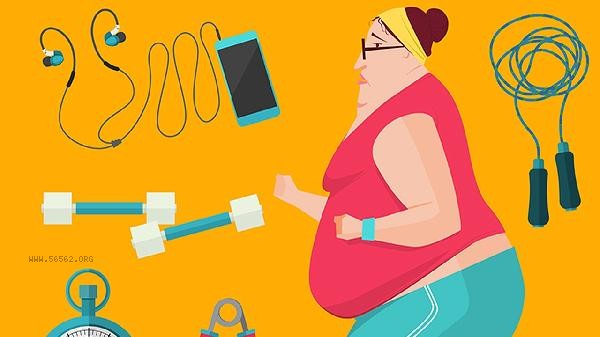
Choose low-intensity exercises such as walking and yoga three days before menstruation, and gradually resume low-intensity exercises such as brisk walking and Pilates in the later stage. Control exercise time within 30 minutes to avoid increased pelvic congestion caused by high-intensity training. When dysmenorrhea is obvious, exercise should be suspended and measures such as hot compress on the lower abdomen should be taken to alleviate the symptoms.
3. Supplementing Trace Elements
Menstrual bleeding can lead to the loss of minerals such as iron and calcium. It is recommended to increase the intake of foods rich in heme iron, such as beef and dark green vegetables. Consuming 300 milliliters of warm pure milk or yogurt daily can supplement calcium and help soothe uterine smooth muscle. Bananas, nuts, and other foods rich in vitamin B6 can help alleviate premenstrual tension.
4. Maintain a regular sleep routine
Ensure 7-8 hours of sleep every day and avoid staying up late, which can lead to elevated cortisol levels. Soak feet in warm water at around 40 ℃ for 15 minutes before bedtime to promote blood circulation in the lower limbs. Establishing fixed wake-up and bedtime times and maintaining a stable biological clock can help regulate the secretion of melatonin and leptin.
5. Psychological regulation
Menstrual estrogen fluctuations can easily trigger anxiety, and can be relaxed through mindfulness meditation, breathing training, and other methods. Record the weight change curve during the menstrual cycle and understand the regularity of physiological fluctuations. Avoid psychological stress caused by frequent daily weighing, as the swelling will naturally subside and the weight will naturally decrease after the end of menstruation.

Menstrual weight loss should avoid extreme dieting or vigorous exercise, and daily diet should include high-quality protein, complex carbohydrates, and healthy fats. Pay attention to keeping your abdomen warm, drink ginger tea, longan and red date tea isothermal tonics, and avoid eating raw, cold and stimulating foods. If severe symptoms such as dizziness and fatigue occur, the weight loss plan should be stopped in a timely manner and medical examination should be sought. It is recommended to use menstrual cycle recording software to understand the metabolic characteristics of different stages and develop personalized plans.








Comments (0)
Leave a Comment
No comments yet
Be the first to share your thoughts!