
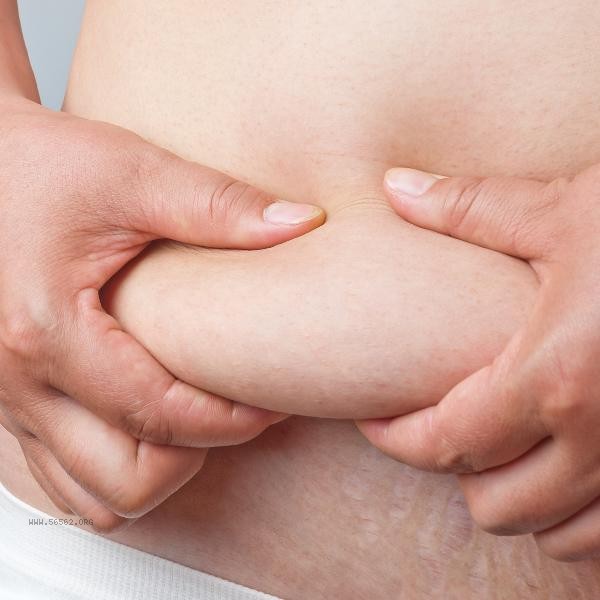
Losing weight during confinement requires a balance between nutritional recovery and scientific weight loss, which can be achieved through reasonable dietary adjustments, moderate rehabilitation exercise, breastfeeding assistance, regular sleep management, and postpartum professional guidance.

1. Reasonable Dietary Adjustment
Postpartum diet should ensure high-quality protein and iron intake, avoiding high oil and high sugar. Suggest increasing daily sources of low-fat protein such as fish, shrimp, and lean meat, paired with dark vegetables such as broccoli and spinach. Reduce the intake of refined rice and flour, and replace some staple foods with coarse grains such as oats and brown rice. The main cooking method is steaming and stewing, with a daily total calorie intake controlled between 1800-2200 kcal.
2. Moderate Rehabilitation Exercise
Starting from Kegel exercises 2 weeks after vaginal delivery, 3 groups of pelvic floor muscles can be contracted 10 times per day for each group. Gradually add postpartum exercises such as supine leg lifting and abdominal breathing after 4 weeks. Cesarean section requires core muscle activation under the guidance of a professional rehabilitation therapist after 6 weeks of wound recovery. The exercise duration gradually increased from 10 minutes to 30 minutes.
III. Breastfeeding Assistance
Daily lactation can consume an additional 500 calories. During lactation, it is recommended to add 500 milliliters of low-fat milk daily to supplement calcium while controlling fat intake. Maintain a breastfeeding frequency of 8-12 times a day and suckle on one breast for at least 15 minutes. During lactation, it is necessary to ensure a daily water intake of over 2000 milliliters to avoid strong tea and coffee affecting milk secretion.
4. Regular sleep schedule management
Ensure that the baby sleeps continuously for more than 6 hours a day and take a nap during their daytime sleep. After breastfeeding at night, close your eyes promptly to rest and avoid prolonged use of mobile phones that may affect melatonin secretion. Establish a fixed time for waking up and falling asleep. Lack of sleep can lead to an increase in cortisol and hinder fat breakdown.
V. Postpartum Professional Guidance
Body composition testing will be conducted during the 42 day postpartum follow-up, and a personalized plan will be developed by a nutritionist. The presence of rectus abdominis muscle separation requires fascial repair before implementing a weight loss plan. Patients with thyroid dysfunction or pregnant diabetes should adjust the weight loss rate under the supervision of endocrinologists. Postpartum weight loss should follow the principle of gradual progress, with a weekly weight loss of no more than 0.5 kilograms. Do not use any weight loss drugs or meal replacement products during lactation to avoid uterine prolapse caused by intense exercise. Regular traditional Chinese medicine acupoint massage can promote metabolism, combined with Job's tears and red dates tea to regulate qi and blood. During the recovery period, if symptoms such as dizziness and fatigue occur, the weight loss plan should be stopped immediately, and medical attention should be sought promptly to assess nutritional status.








Comments (0)
Leave a Comment
No comments yet
Be the first to share your thoughts!