
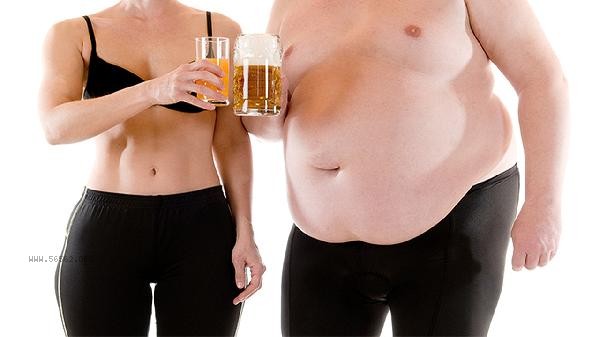
Obesity caused by endocrine disorders can be improved through adjusting diet, regular exercise, medication treatment, psychological intervention, and traditional Chinese medicine regulation. Endocrine disorders may be related to abnormal hormone levels, metabolic disorders, and other factors, usually manifested as symptoms such as weight gain and menstrual irregularities.
1. Adjust diet
Reduce intake of high sugar and high-fat foods, increase the proportion of high-quality protein and dietary fiber. It is recommended to choose low glycemic index foods such as broccoli and oats to avoid overeating. Keep 1500-2000 ml of drinking water every day. serving of individual dishes help control total calories.
2. Regular Exercise
Engage in 150 minutes of moderate intensity aerobic exercise per week, such as brisk walking, swimming, etc. Combining resistance training can increase muscle mass and improve basal metabolic rate. Warm up and stretch before and after exercise to avoid sports injuries.
3. Medication therapy
requires the use of hormone regulating drugs under the guidance of a doctor, such as levothyroxine sodium tablets to treat hypothyroidism and metformin tablets to improve insulin resistance. Avoid taking weight loss pills on your own, as it may worsen endocrine disorders.

4. Psychological Intervention
Long term stress can exacerbate abnormal cortisol secretion, and anxiety can be alleviated through mindfulness meditation, psychological counseling, and other methods. Establishing a healthy sleep routine and ensuring 7-8 hours of sleep can help restore hormone rhythms.
5. TCM recuperation
TCM believes that this kind of obesity mostly belongs to the deficiency of both spleen and kidney, and can be treated by acupuncture and moxibustion, cupping, etc. Commonly used prescriptions such as Shen Ling Bai Zhu San, with modifications, need to be treated by a traditional Chinese medicine practitioner based on syndrome differentiation. Combined with external treatments such as ear acupressure and bean pressing, the effect is better.
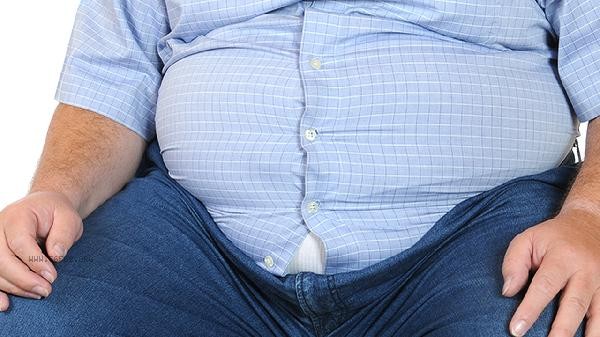
It is recommended to record daily diet and exercise, and regularly monitor changes in weight and waist circumference. Avoid excessive dieting or vigorous exercise that can further disrupt metabolism. If accompanied by symptoms such as hirsutism and acne, it is necessary to promptly screen for diseases such as polycystic ovary syndrome. Seek medical attention immediately if discomfort such as palpitations and fatigue occurs during the weight loss process.








Comments (0)
Leave a Comment
No comments yet
Be the first to share your thoughts!