
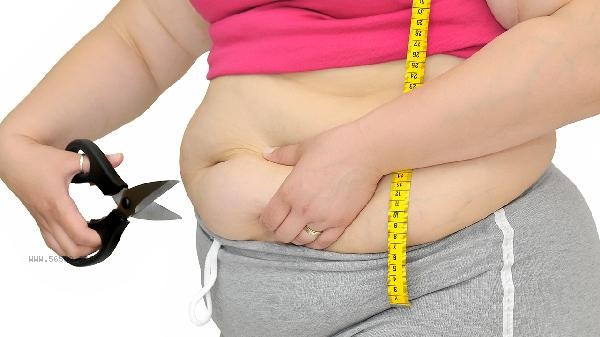
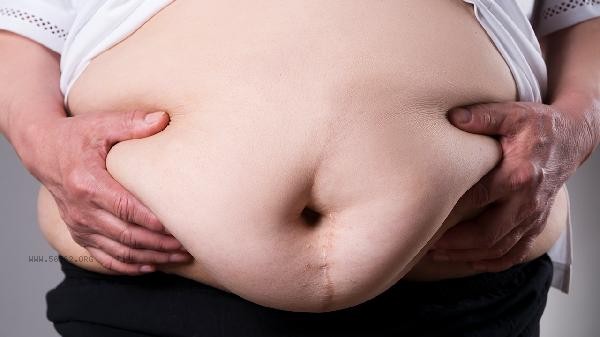
Abdominal obesity can be reduced through dietary adjustments, exercise, traditional Chinese medicine regulation, medication intervention, surgical treatment, and other methods. Abdominal obesity may be related to genetics, improper diet, lack of exercise, hormonal imbalances, chronic diseases, and other factors.
1. Dietary Adjustment
Reduce the intake of refined carbohydrates and high-fat foods, and increase the proportion of high-quality protein and dietary fiber. Choose whole grains instead of white rice and flour, cook with olive oil instead of animal oil, consume over 300 grams of dark vegetables such as broccoli and spinach daily, and consume low sugar fruits such as apples and blueberries in moderation. Avoiding sugary drinks and alcohol, controlling daily total calories within the range of 1500-1800 calories, and adopting a 16:8 intermittent fasting method can help improve visceral fat accumulation.
2. Exercise
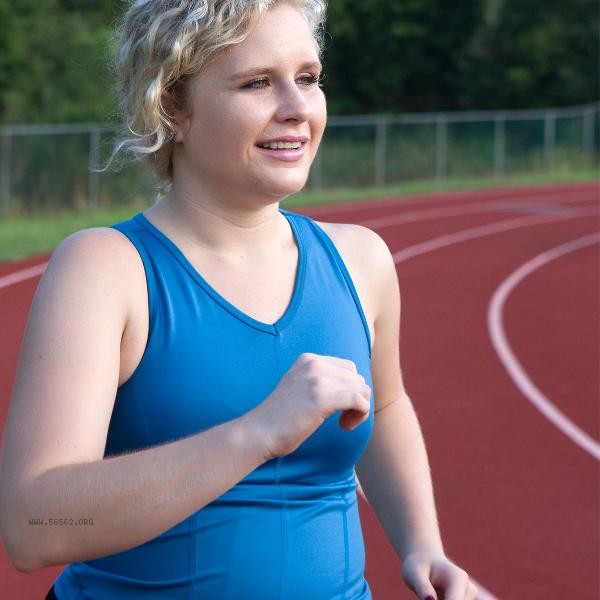
Engage in at least 150 minutes of aerobic exercise per week, such as brisk walking, swimming, cycling, etc., combined with impedance training to enhance core muscle groups. It is recommended to engage in targeted training such as 30 minutes of plank support and abdominal curling every day. HIIT high-intensity interval training can significantly reduce waist circumference. Sedentary people get up and move for 5 minutes per hour, climb stairs more and take elevators less in their daily lives, and wear heart rate monitoring devices to maintain a target heart rate of 110-140 beats per minute during exercise.
III. Traditional Chinese Medicine Treatment
People with phlegm dampness constitution can drink hawthorn and tangerine peel tea. Take 10 grams of hawthorn and 5 grams of tangerine peel and brew them in boiling water as a tea substitute. Moxibustion at acupoints such as Guan Yuan and Zhong Wan is performed three times a week, combined with massage at the Dai Mai acupoint to improve local circulation. Traditional Chinese medicine commonly uses Shen Ling Bai Zhu San to invigorate the spleen and dispel dampness, and Long Dan Xie Gan Wan to soothe the liver and regulate qi, which should be used under the guidance of a physician. Cupping therapy can select acupoints on the back bladder meridian, and be careful to avoid skin damage and infection.
4. Drug Intervention
Orlistat capsules can inhibit intestinal lipase and reduce fat absorption, while Liraglutide injection can delay gastric emptying and increase satiety. Metformin tablets are suitable for patients with concomitant insulin resistance, and gastrointestinal adverse reactions should be monitored. It is forbidden to take laxatives or diuretics to reduce weight. traditional Chinese patent medicines and simple preparations, such as Qingshen Xiaopang Pill, should be used dialectically. All medications may cause adverse reactions and must be used in a standardized manner under the supervision of a doctor.
V. Surgical Treatment
For patients with a BMI exceeding 32.5 and concomitant metabolic disorders, laparoscopic sleeve gastrectomy may be considered. Gastric bypass surgery is suitable for patients with severe obesity and type 2 diabetes. Cardiopulmonary function should be strictly evaluated. After surgery, lifelong supplementation of vitamin B12 and iron is required, following a gradual diet plan of liquid semi liquid soft food. All weight loss surgeries carry risks such as anastomotic leakage and malnutrition, and are not the preferred treatment option. During the implementation of the weight loss plan, it is recommended to regularly measure waist circumference and body fat percentage. Male waist circumference should be controlled below 90 centimeters, and female waist circumference should not exceed 85 centimeters. Maintain 7 hours of high-quality sleep every day and avoid using electronic devices 2 hours before bedtime. Managing stress levels can be achieved through meditation, deep breathing, and other methods. Prolonged stress can lead to elevated cortisol levels and promote abdominal fat accumulation. Using small utensils to control portions during cooking and recording daily diet and exercise can help maintain long-term results. If there is no significant improvement in waist circumference after three months, timely diagnosis and screening for endocrine diseases such as polycystic ovary syndrome and Cushing's syndrome should be sought.








Comments (0)
Leave a Comment
No comments yet
Be the first to share your thoughts!