
Losing fat in the thighs and buttocks requires a combination of whole-body weight loss and local shaping, mainly achieved through dietary adjustments, aerobic exercise, strength training, and other methods.

1. Dietary Adjustment
Reduce the intake of high sugar and high-fat foods, increase the proportion of high-quality protein such as chicken breast, fish, and dietary fiber such as oats and broccoli. Control daily total calorie intake within a reasonable range and avoid overeating. Small meals can be eaten multiple times, and appropriate supplementation of vitamin B can help with metabolism.
2. Aerobic Exercise
Engage in 4-5 moderate intensity aerobic exercises of 30 minutes or more per week, such as jogging, swimming, or skipping rope. These exercises can effectively promote whole-body fat burning, especially thigh and hip fat, which are more sensitive to aerobic exercise. Pay attention to warm-up and stretching before and after exercise.
3. Strength training
Targeted lower limb strength training such as squats, lunges, and hip bridges, 3 times a week. Strength training can increase muscle mass, improve basal metabolic rate, and shape firm lines. In the initial stage, self weight training can be used to gradually increase the load.
4. Improve lifestyle habits
Avoid prolonged sitting and move around for 5 minutes every hour. Ensuring 7-8 hours of high-quality sleep and a regular schedule can help maintain hormonal balance. Proper massage and bathing can promote local blood circulation and assist metabolism.
5. Professional guidance
If conditions permit, seek professional fitness coaches to develop personalized plans. For stubborn fat accumulation, it is recommended to consider a formal medical institution's body management program under the guidance of a doctor to avoid blindly using weight loss drugs.
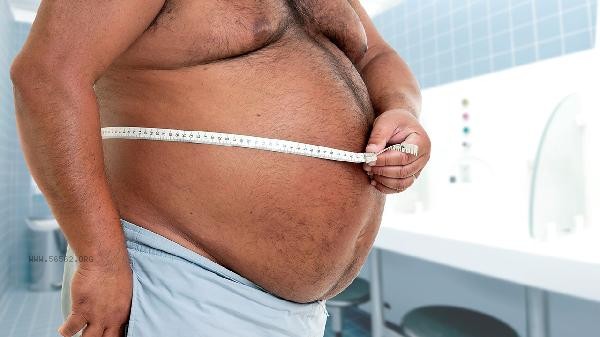
Weight loss is a systemic process and cannot be achieved solely by reducing fat in a specific area. It is recommended to maintain a healthy weight loss rate of 0.5-1 kilogram per week, and track progress with diet records and exercise logs. Pay attention to replenishing sufficient water and electrolytes, and wear appropriate clothing and footwear during exercise to prevent injury. If there is discomfort in the knees or waist, adjust the exercise mode in a timely manner and consult a doctor or physical therapist if necessary.








Comments (0)
Leave a Comment
No comments yet
Be the first to share your thoughts!