
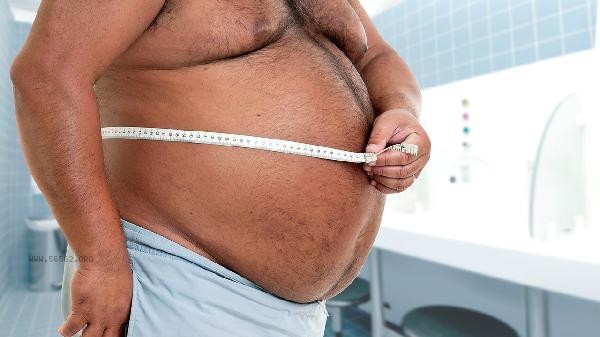
Post meal weight loss can be achieved by adjusting dietary structure, increasing physical activity, controlling eating speed, choosing low glycemic index foods, and avoiding high calorie snacks. Losing weight after meals requires a combination of scientific diet and moderate exercise, avoiding excessive dieting or vigorous exercise.
1. Adjusting dietary structure
After meals, weight loss should focus on a balanced diet, reduce intake of refined carbohydrates, and increase the proportion of vegetables and fruits. It is recommended to pair each meal with an appropriate amount of high-quality protein such as fish and chicken breast, and with whole grain staple foods such as oats and brown rice. Avoid fried foods and high-fat foods, and choose low oil cooking methods such as steaming and boiling. Reasonably allocate three meals of calories, reduce the main food intake appropriately for dinner, but do not completely skip carbohydrates.
2. Increase activity level
Low intensity activities such as walking can be done 30 minutes after meals to help with gastrointestinal peristalsis and food digestion. Avoid sitting or lying down immediately, stand for 15-20 minutes. Increase non physical activities such as climbing stairs and doing household chores in daily life to burn calories. Maintain aerobic exercise such as brisk walking and swimming 3-5 times a week, with each session lasting for more than 30 minutes for better results. The intensity of exercise should be gradual and avoid intense exercise immediately after meals.
3. Control eating speed
Chewing slowly can help create a sense of fullness, and chewing each bite 20-30 times is recommended. Eat for at least 20 minutes to avoid overeating caused by rapid eating. Small utensils can be used to control the amount of food consumed at a time, and drinking soup or water before meals can increase satiety. Pay attention to eating and reduce distracting behaviors such as watching TV and playing mobile phones. Keeping a food diary can help cultivate good eating habits.

4. Choose low sugar foods
Prioritize foods with a glycemic index below 55, such as whole wheat bread, beans, apples, etc. High fiber foods such as broccoli and spinach can slow down gastric emptying. Moderate intake of healthy fats such as nuts and avocados can help stabilize blood sugar levels. Avoid blood sugar fluctuations caused by high glycemic index foods such as refined sugar and white bread. Reasonable combination of protein and carbohydrates can reduce overall postprandial blood glucose response.
5. Avoid high calorie snacks
Within 2 hours after meals, avoid consuming high calorie snacks such as sugary drinks and pastries. You can choose sugar free yogurt and a small amount of nuts as a healthy snack. Pay attention to the intake of hidden calories such as seasoning sauces and sugary coffee. Maintain regular three meals and reduce the frequency of unnecessary extra meals. Try to avoid eating after 8 pm at night and give the gastrointestinal tract sufficient rest time.
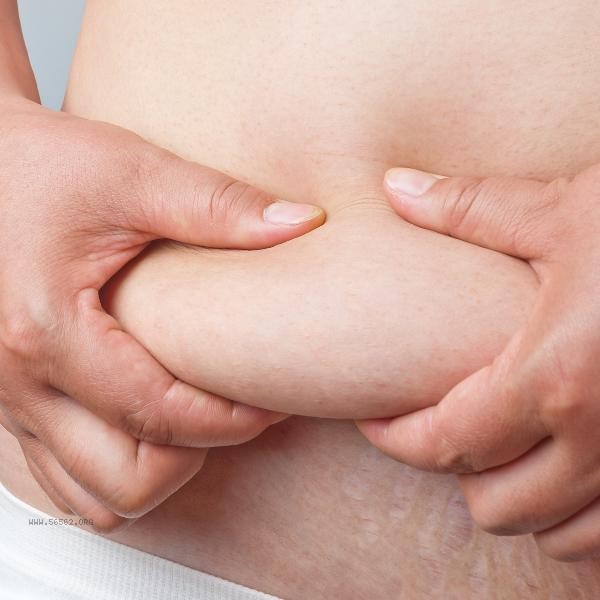
Losing weight after meals requires long-term adherence to a healthy lifestyle. It is recommended to develop a personalized diet and exercise plan to avoid extreme dieting methods. Maintaining sufficient sleep helps regulate the balance of leptin and ghrelin. Regularly monitor weight changes and adjust the plan promptly if there are abnormal fluctuations. If you experience discomfort symptoms such as dizziness and fatigue during the weight loss process, you should consult a professional nutritionist or doctor for advice. Cultivating a positive mindset and integrating healthy habits into daily life can achieve lasting results.








Comments (0)
Leave a Comment
No comments yet
Be the first to share your thoughts!