
Postpartum weight loss can be gradually achieved through reasonable dietary control, scientific exercise, regular sleep management, breastfeeding assistance, and medical beauty interventions. Postpartum weight loss should be adjusted according to the individual's physical recovery level, avoiding excessive dieting or vigorous exercise.

1. Dietary Control
Postpartum diet should ensure nutritional balance, reduce daily intake of high calorie foods, and increase intake of high-quality protein and dietary fiber. Moderate consumption of low-fat and high fiber foods such as chicken breast, broccoli, oats, etc., while avoiding fried foods and sugary drinks. It is recommended to control the daily calorie deficit of lactating women within 500 calories to prevent affecting milk secretion.
2. Exercise
Low intensity exercises such as Kegel exercises, abdominal breathing, and pelvic floor muscle repair training can be started after 6 weeks postpartum evaluation by a doctor. Gradually increase aerobic exercise such as brisk walking, yoga, swimming, etc. after 3 months, 3-5 times a week for 30 minutes each time. Postpartum women undergoing cesarean section should delay abdominal strength training for 3 months to prevent wound tearing.
3. Daily routine management
Ensuring 7-8 hours of high-quality sleep per day helps regulate levels of leptin and ghrelin. You can use the baby's sleep time to rest synchronously and avoid staying up late. Elevated cortisol levels under excessive stress can promote fat accumulation, which can be alleviated through meditation, listening to music, and other methods to alleviate anxiety.
4. Breastfeeding
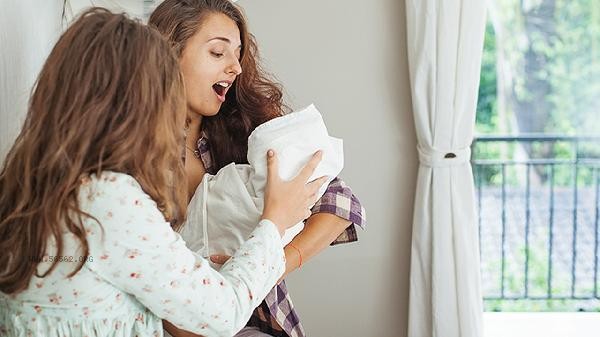
Breastfeeding can consume an additional 300-500 calories per day, promoting uterine contractions and weight loss. It is recommended to breastfeed exclusively for 6 months, during which an additional 500 calories of nutrients should be added daily. When breastfeeding, it is advisable to adopt comfortable postures such as rugby to avoid muscle tension caused by improper posture.
5. Medical Aesthetics Intervention
After 6 months postpartum weight stabilization, non-invasive medical aesthetics projects such as radiofrequency tightening and cryolipolysis can be considered to improve skin laxity. More than 3 fingers of rectus abdominis muscle separation require rehabilitation training, and in severe cases, abdominal wall reconstruction surgery can be chosen. All medical beauty procedures must be performed in formal medical institutions, and anesthesia related procedures are prohibited during lactation. Postpartum weight loss should follow the principle of gradual progress, and lactating women should not adopt extremely low calorie diets. It is recommended to record daily diet and exercise, regularly monitor weight changes, and not lose more than 0.5 kilograms per week. If abnormal symptoms such as dizziness, fatigue, and sudden decrease in milk production occur, seek medical attention promptly. Maintain a positive attitude and gradually recover to a normal pre pregnancy weight within one year postpartum.









Comments (0)
Leave a Comment
No comments yet
Be the first to share your thoughts!