
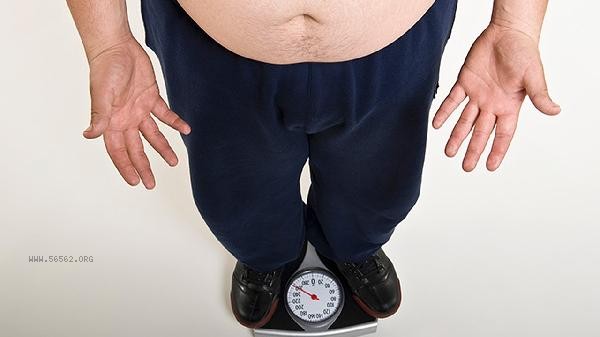
Weight loss can be achieved through adjusting diet, increasing exercise, changing lifestyle habits, psychological regulation, medical intervention, and other methods. Losing weight is a process that requires cooperation from multiple parties, and it is recommended to do so under the guidance of a doctor or nutritionist.
1. Adjusting diet
Controlling calorie intake is the foundation of weight loss, and it is recommended to choose low calorie, high fiber, and high protein foods. Reduce the intake of refined carbohydrates and saturated fats, and increase the proportion of vegetables, fruits, whole grains, and high-quality protein. It is possible to reduce the amount of food consumed per meal appropriately, but avoid excessive dieting to prevent malnutrition.
2. Increase Exercise
Engage in 150-300 minutes of moderate intensity aerobic exercise per week, such as brisk walking, swimming, cycling, etc. Combining strength training can effectively increase muscle mass and improve basal metabolic rate. Exercise should be done gradually, and choosing one's favorite form of exercise is easier to stick to.
3. Changing lifestyle habits
Ensuring sufficient sleep helps regulate the secretion of metabolic hormones. Reduce sedentary time by getting up and moving for 5 minutes every hour. Maintain a regular sleep schedule and avoid staying up late. Slowing down the pace of eating and chewing slowly can help control the amount of food consumed.

4. Psychological regulation
Weight loss is a long-term process that requires maintaining a calm mindset. Setting achievable short-term goals and keeping track of weight changes in a timely manner can help boost confidence. Excessive stress may lead to overeating, which can be relieved through meditation, deep breathing, and other methods.
5. Medical Intervention
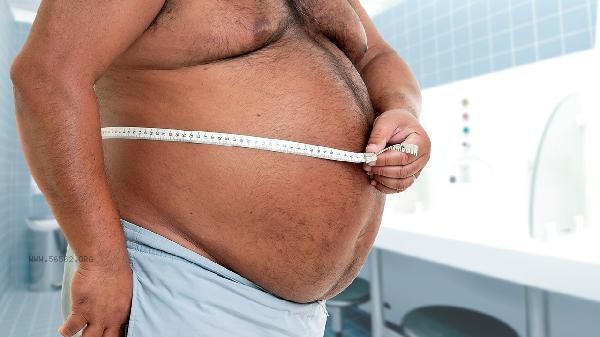
For severely obese patients with a BMI exceeding 27.5 and accompanying complications, medication can be used as adjuvant therapy under the guidance of a doctor. Patients with extremely severe obesity may consider surgical treatment after evaluation by a doctor. Any medical intervention should be accompanied by changes in lifestyle. During the weight loss process, it is important to avoid excessive pursuit of quick results, and losing 0.5-1 kilogram per week is the healthiest option. Maintain a balanced diet and avoid completely withdrawing from a certain type of nutrient. Regularly monitor weight changes and adjust plans based on the situation. If discomfort symptoms occur, seek medical advice promptly. Developing a healthy lifestyle is more important than simply losing weight.








Comments (0)
Leave a Comment
No comments yet
Be the first to share your thoughts!