
Weight loss needs to be achieved through multidimensional comprehensive interventions such as scientific dietary management, regular exercise, and behavioral adjustment.
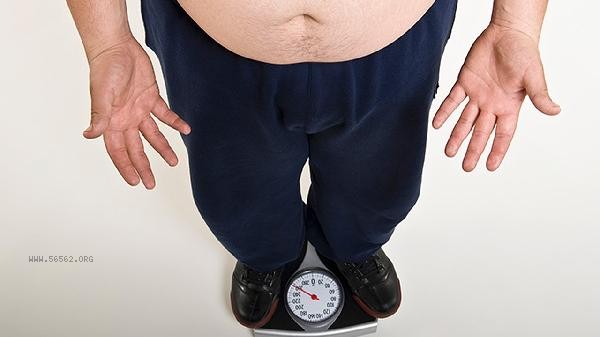
1. Dietary Management
Controlling total calorie intake is the core principle of weight loss. Reduce the intake of refined carbohydrates such as white rice and white bread, and increase the intake of whole grains, vegetables, and other foods rich in dietary fiber. Appropriately increasing the intake ratio of high-quality proteins such as chicken breast and fish and shrimp can help maintain a sense of fullness. Drink no less than 1500 milliliters of water per day, and moderate amounts of green tea or sugar free black coffee can be consumed.
2. Exercise Intervention
The combination of aerobic exercise and resistance training has the best effect. Perform 150 minutes of moderate intensity aerobic exercise such as brisk walking and swimming per week, combined with 2-3 full body resistance training sessions. Increase non physical activity consumption in daily life, such as choosing to walk up and down stairs. The intensity of exercise should be gradually increased to avoid joint injuries.
Thirdly, regulating sleep schedule
Ensuring 7-8 hours of high-quality sleep per day helps with the normal secretion of leptin. Avoid staying up late and disrupting circadian rhythms, which may affect metabolic rate. Establish regular meal times and avoid eating at night. Stress management can be achieved through meditation, deep breathing, and other methods.

4. Behavior Correction
Recording daily diet and exercise can help establish a self-monitoring mechanism. To avoid emotional eating, alternative methods such as chewing sugar free gum can be used. Slow down the eating speed and chew each bite more than 20 times. Choosing smaller tableware can help control the amount of food consumed at a time.
V. Medical Supervision
For obese individuals with metabolic syndrome, a plan should be developed under the guidance of a doctor. If necessary, medication such as Orlistat capsules can be considered for assistance, or metabolic surgery indications can be evaluated. Regularly monitoring indicators such as body fat percentage and waist circumference is more scientific, avoiding excessive focus on weight figures. Losing weight requires establishing a long-term healthy lifestyle rather than short-term extreme dieting. It is recommended to include 300-500 grams of non starchy vegetables and 200-350 grams of whole grains in the daily diet, and prioritize low oil cooking methods such as steaming. Warm up adequately before exercise and replenish fluids and electrolytes promptly after exercise. If adverse reactions such as dizziness and fatigue occur during weight loss, timely medical evaluation should be sought.








Comments (0)
Leave a Comment
No comments yet
Be the first to share your thoughts!