
Losing 20 pounds can be achieved through adjusting dietary structure, increasing aerobic exercise, strengthening strength training, improving sleep quality, and seeking medical intervention if necessary. Weight loss involves calorie balance and metabolic regulation, and personalized plans need to be developed.

1. Adjust dietary structure
Reduce intake of refined carbohydrates and saturated fats, and increase the ratio of high-quality protein to dietary fiber. Suggest replacing white rice with brown rice and choosing low calorie and high nutrient foods such as chicken breast and broccoli. Control the daily calorie deficit at 500-750 calories to avoid extreme dieting that can lead to a decrease in basal metabolism. Regularly recording diet can help identify hidden sources of high calorie intake.
2. Increase aerobic exercise
4-5 times a week for 40-60 minutes of moderate to high-intensity aerobic exercise, such as jogging, swimming, or cycling. Maintaining heart rate within the range of 60% -70% of maximum heart rate during exercise can optimize fat burning efficiency. For those with a larger body weight base, they can choose methods such as elliptical machines or water walking that have less joint pressure, gradually increasing their exercise intensity.
3. Strengthen Strength Training
Resistance training 2-3 times a week can increase muscle mass and improve resting metabolic rate. Use compound movements such as squats, hard pulls, push ups, etc., with 3-4 sets of each movement and 8-12 repetitions per set. Every 1 kilogram increase in muscle tissue can burn an additional 30-50 calories per day, which helps to break through the weight loss plateau.

4. Improving sleep quality
Ensuring 7-9 hours of high-quality sleep per day can stabilize leptin and ghrelin levels and reduce hunger. Lack of sleep can lead to an increase in cortisol and promote abdominal fat accumulation. Establish a fixed sleep schedule, avoid using electronic devices one hour before bedtime, and maintain a suitable temperature and dark environment in the bedroom.
5. Medical intervention assistance
For individuals with a BMI exceeding 30 or insulin resistance, medications such as Orlistat capsules can be used under the guidance of a doctor. After evaluation, severely obese patients may consider metabolic surgery such as gastric sleeve resection. All medical interventions need to be accompanied by lifestyle changes, and long-term follow-up of nutritional status is required after surgery.
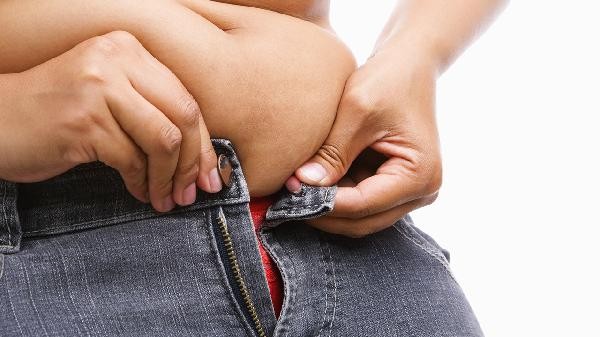
It usually takes 3-6 months to achieve a weight loss of 20 pounds, and it is recommended to lose 0.5-1 kilogram per week to avoid muscle loss. During the weight loss period, it is necessary to ensure that you drink at least 2000 milliliters of water per day and supplement with multivitamins if necessary. Regularly measuring body fat percentage is more scientific than simply focusing on weight. During the plateau period, exercise patterns and dietary structure can be adjusted. After successfully losing weight, it is necessary to maintain healthy habits to prevent weight rebound.








Comments (0)
Leave a Comment
No comments yet
Be the first to share your thoughts!