
The good weight loss effect of skipping rope can be achieved by grasping the optimal time, controlling the skipping rope frequency, mastering the correct posture, adjusting the diet, monitoring the exercise effect, and other methods.

1. Seize the Best Time
Fasting and jumping in the morning can help accelerate fat burning. At this time, the body's glycogen reserves are low, and the body will prioritize burning fat for energy. But people with low blood sugar should avoid exercising on an empty stomach. Jumping in the evening is suitable for improving cardiovascular function. At this time, body temperature is higher, muscle elasticity is better, and the risk of sports injuries is lower. Skipping rope 60-90 minutes after meals can avoid gastrointestinal discomfort.
2. Control the skipping frequency
Skipping rope 5-6 days a week has the best effect, lasting 30-40 minutes each time. Beginners can start with 1-2 minutes per group, take a 30 second break between groups, and gradually extend the duration of each session. Using intermittent skipping rope, such as alternating fast skipping for 30 seconds and slow skipping for 30 seconds, the fat burning efficiency is 30% higher than that of uniform skipping rope. Intelligent skipping rope can be equipped with a timed reminder function.
3. Master the correct posture
Keep your back straight, look ahead, keep your upper arm close to your body, use your wrist to shake the rope, and jump 2-3 centimeters high. Choose a rope of appropriate length, and when straightening with both feet on the rope handle, the handle should be in the armpit position. Soft soled sports shoes can cushion knee joint pressure, while hard surfaces require professional jump rope pads.

4. Dietary Adjustment
Within 30 minutes after exercise, supplement protein and carbohydrates, such as chicken breast with whole wheat bread, to help with muscle repair. Control the daily calorie deficit at 500-750 calories to avoid excessive dieting and metabolic decline. Reduce refined sugar and saturated fat intake, and increase fiber rich foods such as broccoli and oats.
Fifth, Monitoring Exercise Effectiveness
Regularly measuring waist circumference and body fat percentage is more accurate than simply weighing oneself. Use a sports wristband to monitor heart rate and maintain it at 60-80% of the maximum heart rate in the cardiopulmonary function zone. Adjust your exercise plan every 4 weeks by adding skipping rope patterns or weight-bearing wrists to break through the plateau period. If knee pain occurs, stop immediately and consult a rehabilitation doctor.
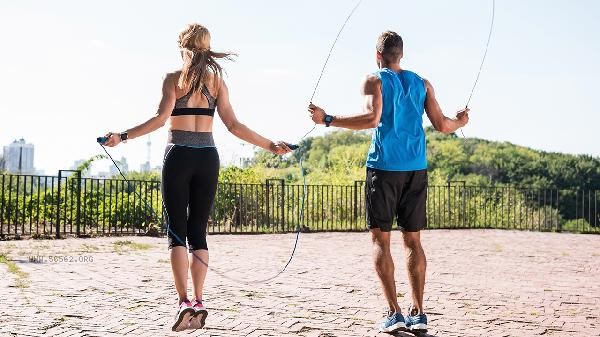
It is recommended to choose professional equipment such as bamboo rope or steel wire rope. Beginners can use cordless skipping rope to practice movements on yoga mats first. Warm up and stretch for 5-10 minutes before and after exercise, with a focus on moving the ankle and shoulder joints. Maintaining 2-3 strength training sessions per week combined with skipping rope can better shape muscle lines. For those with a large body weight, they should start with stepping and gradually progress. If their BMI exceeds 28, they should consult a doctor first. Maintain a daily water intake of 2000-2500 milliliters and replenish 100-150 milliliters of water every 15 minutes during exercise.








Comments (0)
Leave a Comment
No comments yet
Be the first to share your thoughts!