
Whether konjac has gone bad can be comprehensively judged by its appearance, odor, texture, and taste. Fresh konjac has a compact texture, uniform color, and no odor. However, spoiled konjac may appear sticky, discolored, sour, or moldy.
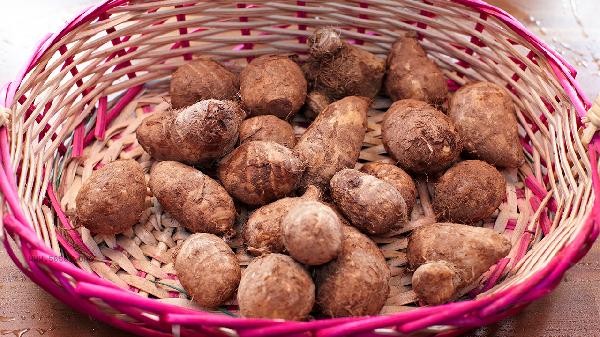
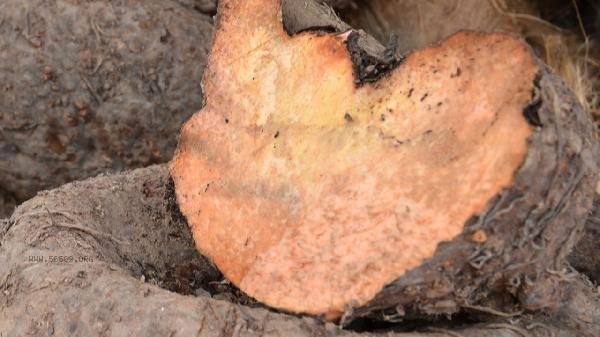
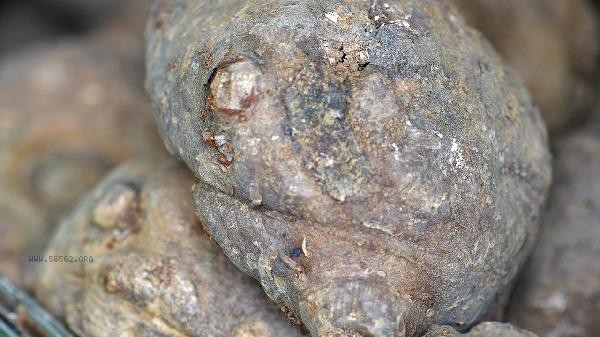
Normal konjac is gray white or light yellow in color, with a smooth surface and no impurities. If there is obvious blackening, greening or mold spots, it indicates that it has been contaminated by microorganisms. After cutting open, there may be uneven color or brown spots inside, which may have decayed. Fresh konjac has a slight earthy smell, and after spoilage, it may produce a sour or pungent odor. When touched, the texture should be crisp, hard, and elastic. The spoiled konjac will become soft, sticky, and even leak mucus. After cooking, the taste is smooth and without any abnormalities. If it becomes bitter, astringent, or has a strange odor, it is not edible. Some vacuum packaged konjac may have a slight sour taste, which is usually caused by lactic acid fermentation during processing and is a normal phenomenon. But if accompanied by packaging expansion and liquid turbidity, it has deteriorated. If the texture of frozen konjac is soft like a sponge after thawing, it indicates that the cell structure has been destroyed by ice crystals. Although it is edible, its taste is poor. If dried konjac products become damp and produce a rancid taste, it indicates that the fat has oxidized and deteriorated. When storing konjac, it should be kept dry and ventilated, and unopened vacuum packaging can be refrigerated for a longer period of time. The sliced konjac should be soaked in clean water and changed daily. It is recommended to consume it within three days. Be sure to heat and boil thoroughly before consumption to avoid poisoning caused by raw food. People who are allergic to konjac or have weak gastrointestinal function should control their intake and stop eating immediately if they experience discomfort such as bloating. If it is uncertain whether it has spoiled, it is recommended to discard it directly to ensure food safety.








Comments (0)
Leave a Comment
No comments yet
Be the first to share your thoughts!