
The quality of soy sauce can be comprehensively evaluated from five dimensions of color, smell, taste, ingredient list and foam state.
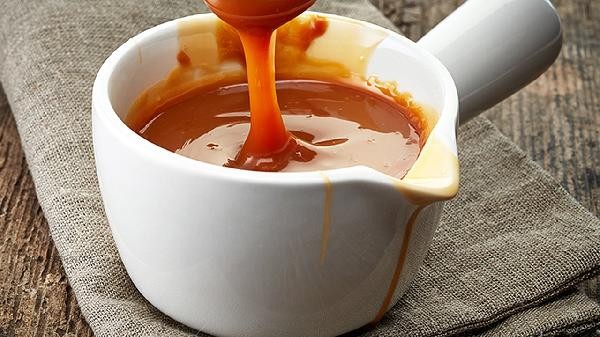
1. Color
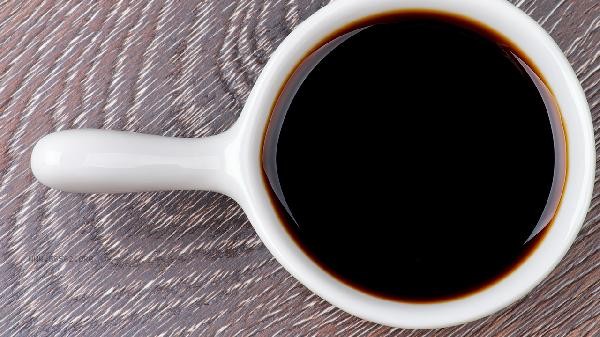
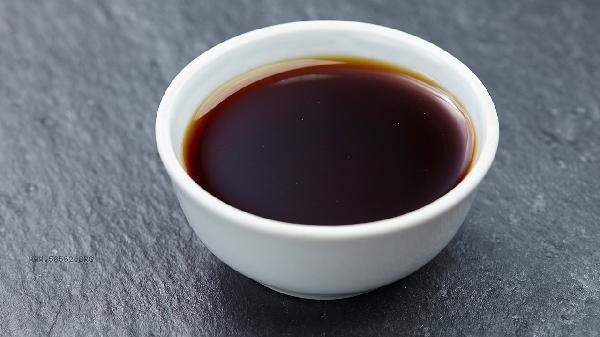
High quality soy sauce presents a reddish brown or dark amber color, with a natural luster when observed under light. Traditional brewed soy sauce has a uniform and non layered color. Poor quality soy sauce may have added caramel coloring, causing the color to turn black or too light. Shaking the bottle may result in uneven color.
2. Odor
Soy sauce brewed from pure grains has a rich aroma of sauce and ester, with a rich and layered smell. Poor quality soy sauce may emit a pungent sour taste or chemical additive odor, and some low-priced products may have an unnatural fresh sweet taste due to the addition of monosodium glutamate.
III. Taste
High quality soy sauce has a long-lasting and fresh taste, with a salty and sweet taste with a hint of aftertaste, and a thick and sticky texture. Blended soy sauce often has a strong salty or bitter taste, and some products may produce a false sticky texture due to the addition of thickeners.
4. Ingredient List
The ingredients for brewing soy sauce should only include water, soybeans, wheat, and salt. If there are additives such as defatted soybeans, monosodium glutamate, sodium benzoate, etc., they should be carefully selected. Amino acid nitrogen content ≥ 0.8g/100ml belongs to premium soy sauce, while content below 0.4g/100ml is mostly formulated soy sauce.
V. foam state
After shaking, high-quality soy sauce produces delicate foam and dissipates slowly, and the foam layer can last for several minutes. The foam of inferior soy sauce is large and disappears quickly, and some products containing a large amount of thickening agent may have an abnormally long foam.
It is recommended to prioritize products labeled "Brewed Soy Sauce" and with a recent production date when making daily purchases. After opening, they should be refrigerated to avoid oxidation. When cooking, pay attention to distinguishing between the use of light soy sauce for seasoning and dark soy sauce for coloring. hypertensive patients should choose low salt soy sauce. Regularly changing the soy sauce brand can avoid the risk of long-term intake of the same food additives. If mold or odor is found in soy sauce, it should be immediately stopped from consumption.








Comments (0)
Leave a Comment
No comments yet
Be the first to share your thoughts!