
High quality red dates can be identified by observing their appearance, smelling their aroma, tasting their texture, measuring their elasticity, and examining their core.
1. Appearance
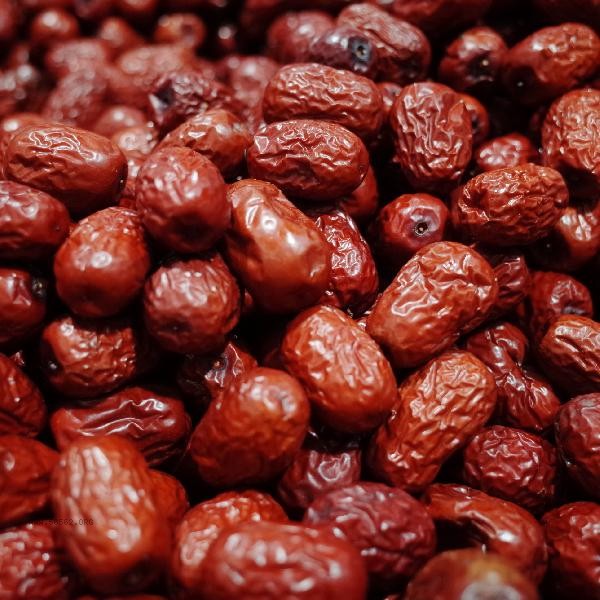
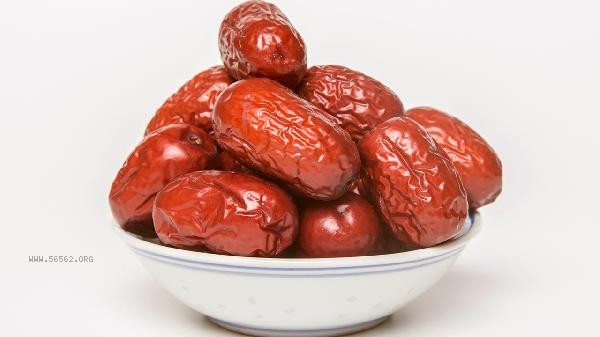
High quality red dates have a deep red or purple red skin, a natural luster on the surface, and no insect eyes or mold spots. The fruit has a full and complete shape, uniform size, fine and naturally distributed wrinkles. Poor quality red dates may turn black or yellow in color, with dull and dull skin, and may be damaged or deformed. Specific varieties such as Xinjiang Ruoqiang jujube have unique appearance characteristics, which need to be judged based on the characteristics of their place of origin.
2. Smell
Fresh and high-quality red dates have a strong jujube aroma and a pure sweet taste without any impurities. If you smell a sour, moldy or chemical smell after opening, it indicates improper storage or sulfur fumigation. Artificially processed red dates have a pungent odor, while naturally dried red dates retain a faint fragrance. Rub the red dates in the palm of your hand and smell them, making it easier to identify any unusual odors.
III. Taste
After breaking open the red dates, the meat appears light yellow or amber in color, with thick and tough texture, and a sweet and mellow taste without residue when chewed. Poor quality red dates have black and hard flesh, and may have a bitter or sour taste. Xinjiang grey jujube and other varieties have high sugar content and a smooth and delicate taste. Pay attention to observing whether there are insect marks on the fruit flesh before tasting to avoid ingesting spoiled parts.
Fourth, measure elasticity
Gently press the surface of red dates with your fingers, and high-quality red dates will slowly rebound, indicating that the moisture content of the fruit flesh is moderate. Dried, inelastic or hard red dates may be stored for too long. Throwing red dates on the table, if the sound is dull, it indicates that the meat is firm, and if the sound is crisp, it may have a large internal cavity. Red dates stored for a long time will gradually lose their elasticity, resulting in a significant loss of nutrients.
Fifth, Look at the Fruit Core
After breaking open the red date, the core is small and spindle shaped, easy to separate from the flesh, and there is no mold on the surface of the core. If the fruit core turns black or has white mycelium, it indicates that it has become moldy. Varieties such as Jinsi jujube have smaller fruit pits, while Hetao jujube has relatively larger pits, which need to be judged based on the characteristics of the variety. There are brown circular marks around the nucleus, which may be caused by insect infestation.
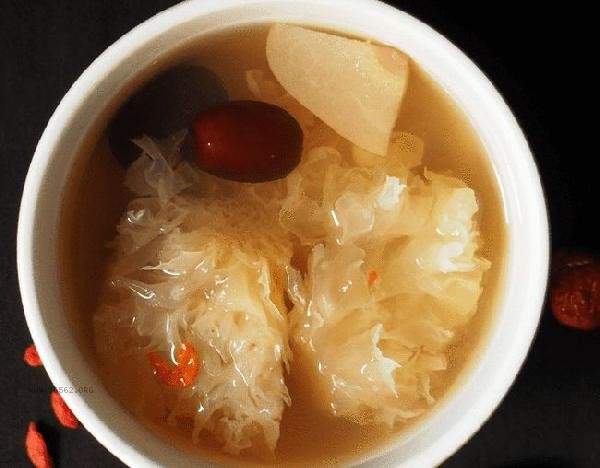
It is recommended to choose regular supermarkets for daily selection of red dates. After opening, seal and refrigerate to avoid moisture. Eating 5-10 pills per day can meet nutritional needs, excessive intake may cause gastrointestinal discomfort. Red dates can be stewed with ingredients such as millet and Tremella fuciformis to avoid affecting digestion when eaten with cucumbers and radishes. Special groups such as diabetes patients should control their intake and consult a nutritionist before eating. Pay attention to moisture and insect prevention during storage, and regularly check for any signs of deterioration.








Comments (0)
Leave a Comment
No comments yet
Be the first to share your thoughts!