
Rice pests at home can be treated through methods such as freezing, sun exposure, and pepper deworming. The occurrence of rice pests is mainly related to factors such as humid storage environment and suitable temperature for egg hatching. Timely treatment can prevent the spread of pests.

1. Freezing treatment
Put the raw rice into a sealed container and place it in the freezer compartment of the refrigerator. The low-temperature environment can effectively kill the insect eggs and adults. The recommended freezing time is several hours, and after processing, the insect infested corpses need to be screened and the rice dried. This method is suitable for situations where there is a small amount of rice and the pest infestation is relatively mild, and the treatment does not affect the taste and nutrition of the rice.
2. Sunlight exposure
Choose sunny weather to spread the rice flat in a clean container and expose it to sunlight. High temperature and ultraviolet radiation can drive away live insects and inhibit the development of insect eggs. When exposed to direct sunlight, it is necessary to flip the rice at regular intervals and filter out impurities with a fine sieve after completion. Be careful to avoid prolonged exposure to sunlight, which can cause water loss in rice and affect cooking quality.
3. Sichuan pepper deworming
Put Sichuan pepper or star anise wrapped in gauze in a rice jar, and its volatile odor can drive away common grain pests such as rice weevils. About 20 grams of spices are used for every 5 kilograms of rice, and are regularly replaced to ensure effectiveness. This method is suitable for preventing pest infestations, and rice already infested with pests needs to be treated in combination with other methods.
4. Sealed isolation
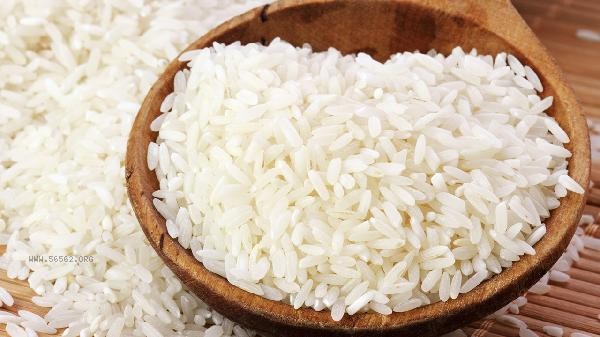
Transfer uncontaminated rice to a food grade sealed container to block the contact route of pests. Food desiccants can be placed in sealed containers to reduce humidity and inhibit the hatching of insect eggs. If some rice is found to be severely infested with insects, it is recommended to dispose of it directly to avoid cross contamination.
5. Ginger Insect Control
Fresh sliced ginger is buried in the surface of rice, and its spicy ingredients have insecticidal effects. Ginger slices need to be replaced once a week and checked for insect infestation, combined with regular flipping of rice to enhance pest control. This method is more suitable for short-term storage and low environmental humidity.
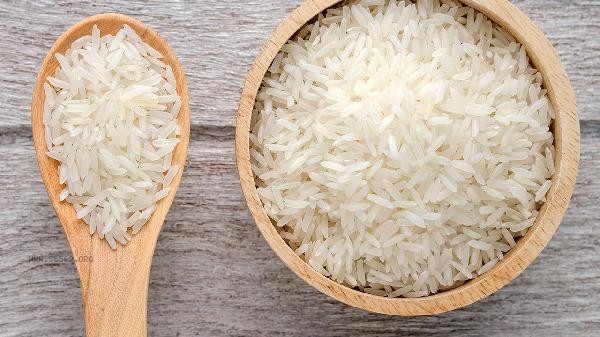
To prevent rice pests, it is necessary to maintain a dry and ventilated storage environment and avoid high temperatures and humidity. It is recommended to use covered ceramic or glass containers to store rice, away from water and heat sources. Regularly check the status of rice inventory and purchase small quantities multiple times to reduce storage time. If the pest infestation occurs repeatedly or on a large scale, it is necessary to thoroughly clean the grain cabinet and consider replacing the storage container. Natural insect repellent materials such as garlic and cinnamon can be layered with grains in daily life, which is both safe and environmentally friendly.








Comments (0)
Leave a Comment
No comments yet
Be the first to share your thoughts!