
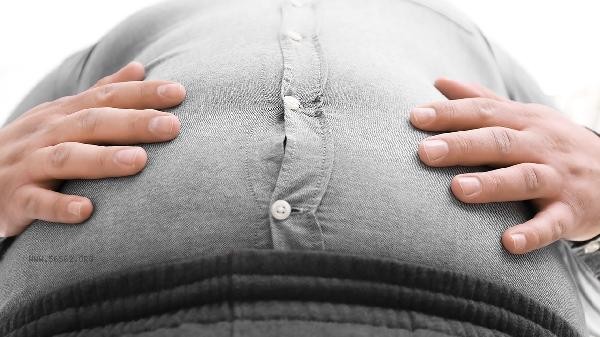
Weight loss can be achieved through aerobic exercise, strength training, high-intensity interval training, increased daily activities, and a combination of diet and exercise. Weight loss is usually caused by excessive calorie intake, insufficient expenditure, low metabolic rate, improper exercise methods, and unreasonable dietary structure.
1. Aerobic Exercise
Aerobic exercises such as brisk walking, running, swimming, etc. can effectively burn calories. It is recommended to engage in 150-300 minutes of moderate intensity aerobic exercise per week. Maintaining a heart rate between 60% and 70% of the maximum heart rate during exercise is more effective. Slow jogging for 30 minutes can burn about 300 calories, and long-term persistence can improve basal metabolic rate. Swimming has low joint pressure and is suitable for overweight individuals. Skipping rope consumes a high amount of heat per unit time, but knee protection should be taken into account.
2. Strength Training
Strength training can increase muscle mass and improve resting metabolic rate. It is recommended to perform 2-3 full body muscle training sessions per week. Compound movements such as squats and hard pulls can activate multiple muscle groups simultaneously. Use dumbbells or elastic bands for resistance training, selecting 8-10 movements per session and repeating 12-15 times per group. For every 1 kilogram increase in muscle mass, an additional 50 calories can be burned per day.
3. High intensity interval
High intensity interval training can achieve high calorie consumption in a short period of time, and the sustained energy consumption effect after exercise is significant. The typical plan is to alternate 1 minute of high-intensity exercise with 1 minute of rest, repeating 8-12 groups. Suitable for people with a certain level of exercise foundation, no more than 3 times a week. Tabata training for 4 minutes can achieve the same effect as traditional aerobic exercise for 1 hour, but requires professional guidance.
4. Daily activities
Increasing non physical activity expenditure can accumulate a significant calorie deficit, and it is recommended to walk 8000-10000 steps per day. Stand for 5 minutes per hour during work, climb stairs instead of elevators, and choose walking or cycling for short distance travel. Dragging the floor for 30 minutes during household chores can consume 150 calories, while gardening activities can simultaneously exercise the muscles of the upper and lower limbs. These small changes can result in a daily consumption increase of 300-500 kcal if persisted for a long time.
5. Diet coordination
Exercise needs to be accompanied by dietary management to achieve the best weight loss effect. It is recommended to maintain a daily calorie deficit of 300-500 calories. Increasing protein intake to 1.2-1.6 grams per kilogram of body weight can help with muscle repair after exercise. Choose low glycemic index foods for carbohydrates and replenish them promptly after exercise. Dietary records and exercise monitoring can help establish a virtuous cycle and avoid compensatory overeating after exercise.

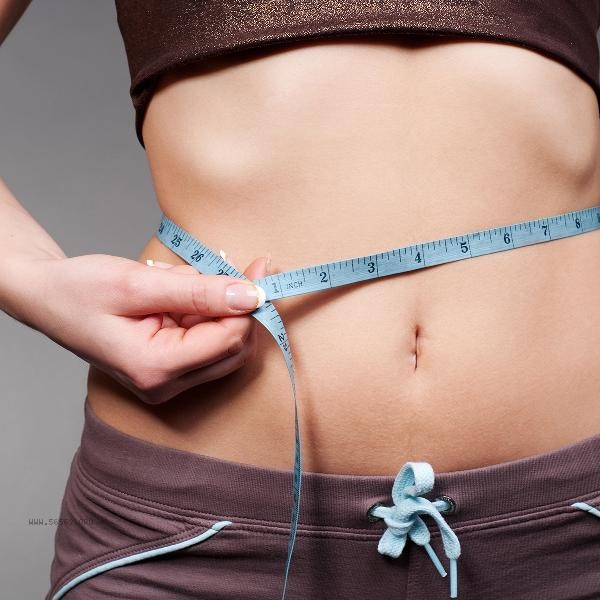
Weight loss exercise should be done gradually, starting with 20 minutes of brisk walking every day and gradually increasing the intensity and duration. Warm up and stretch before and after exercise, and choose comfortable and breathable sports equipment. Maintaining a weight loss rate of 0.5-1 kilogram per week is healthier. If joint pain or persistent fatigue occurs, the exercise plan should be adjusted. Long term adherence to exercise habits is more beneficial for weight maintenance than short-term high-intensity exercise. It is recommended to try alternating between various exercise methods to prevent fatigue. Fasting exercise in the morning may increase fat oxidation rate, but attention should be paid to the risk of hypoglycemia. Regularly measuring body fat percentage can better reflect the effectiveness of weight loss than simply focusing on body weight.






Comments (0)
Leave a Comment
No comments yet
Be the first to share your thoughts!