
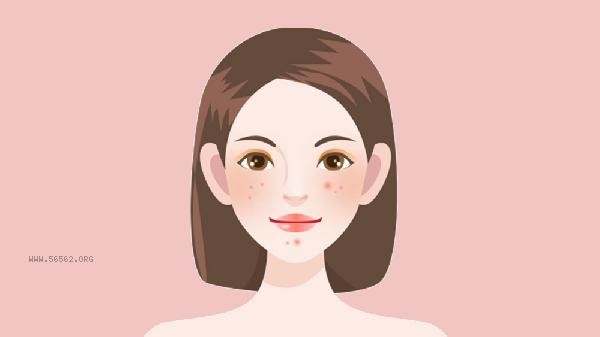
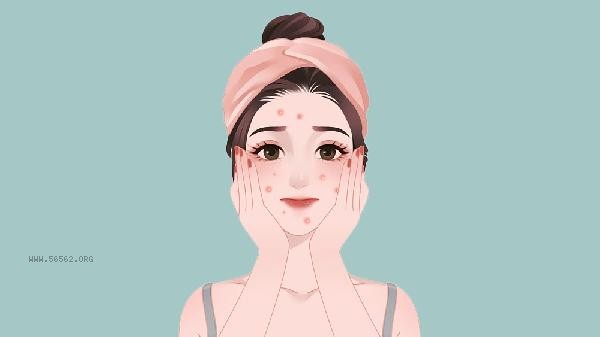
Acne on the face can be improved through daily cleaning, topical medication, physical therapy, adjusting diet, and regular sleep patterns. Acne is mainly related to factors such as excessive sebum secretion, abnormal keratinization of hair follicles, and bacterial infections.

1. Daily cleaning
Choose mild weakly acidic cleansing products to avoid excessive cleaning that damages the skin barrier. Wash your face with warm water every morning and evening, and gently massage your fingertips in circular motions. Focus on cleaning areas with high oil secretion, such as the T-zone. After cleaning, use refreshing moisturizing products in a timely manner to maintain water oil balance. Avoid frequent touching of the face with your hands to prevent bacterial transmission and worsen acne.
2. External drugs
Under the guidance of doctors, drugs such as retinoic acid cream, adapalene gel and others that regulate the metabolism of the cutin, or antibacterial and anti-inflammatory drugs such as benzoyl peroxide gel can be used. During the initial stage of medication, slight flaking or stinging may occur. It is recommended to gradually establish tolerance from low concentrations. During medication, it is necessary to strengthen sun protection and avoid using it in combination with other irritating skincare products.
3. Physical therapy
Facial cleansing care from professional institutions can help unclog clogged pores and clear open acne. Photodynamic therapy suppresses sebaceous gland activity and reduces inflammatory response by using specific wavelengths of light. For stubborn acne, doctors may use standardized acne needle cleaning or local injection treatment, but it needs to be operated by professionals to avoid scarring.
4. Adjust diet
Reduce intake of high sugar and high-fat foods, such as milk tea, fried foods, and other foods that may stimulate sebum secretion. Appropriately increase foods rich in vitamin A, such as carrots and spinach, as well as foods rich in zinc, such as oysters and nuts. Drink no less than 1500 milliliters of water per day to help eliminate metabolic waste. Those who consume a large amount of dairy products can try temporarily reducing the observation effect.
5. Regular sleep schedule
Ensure 7-8 hours of sleep every day to avoid staying up late and causing endocrine disorders. Relieve stress and reduce the impact of cortisol secretion on the skin through exercise, meditation, and other methods. Maintain moderate aerobic exercise every week to promote blood circulation, but clean sweat promptly after exercise. Avoid wearing masks for a long time, which can cause local humid and hot environments. Improving acne requires long-term adherence to comprehensive management, and severe or worsening acne should be promptly treated with medical attention. Avoid squeezing pimples on your own to prevent infection or scar formation. When choosing skincare products, pay attention to the ingredient list and avoid acne causing ingredients such as lanolin and cocoa butter. Regular disinfection and replacement of pillowcases and towels, combined with a light diet and good lifestyle habits, can effectively control most acne problems.




Comments (0)
Leave a Comment
No comments yet
Be the first to share your thoughts!