
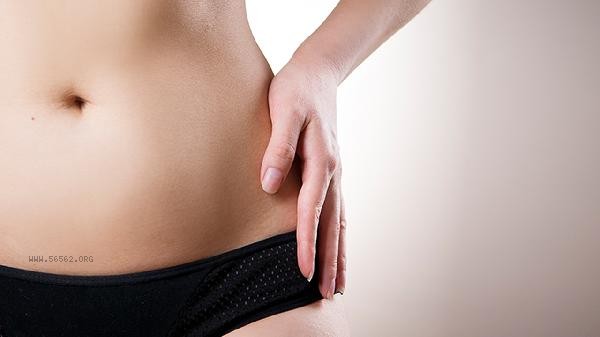
Postpartum abdominal weight loss can be achieved through reasonable diet, moderate exercise, adjusting lifestyle habits, pelvic repair training, medical assistance, and other methods. Postpartum abdominal fat accumulation is usually related to factors such as hormonal changes during pregnancy, rectus abdominis muscle separation, lack of exercise, pelvic deformation, and metabolic slowdown.
1. Reasonable diet
Postpartum dietary control should avoid excessive dieting and focus on ensuring the intake of high-quality protein and dietary fiber. Moderate increase in low-fat and high protein foods such as salmon and chicken breast, paired with fiber rich ingredients such as broccoli and oats. breastfeeding women need to add an additional 500 calories per day, and their total intake can be controlled through small and multiple meals. Pay attention to reducing the intake of refined carbohydrates and added sugars, and avoid fried foods.
2. Moderate Exercise
After 6 weeks postpartum, low-intensity exercise such as pelvic floor muscle training, walking, etc. can be started after evaluation by a doctor. After 3 months postpartum, the intensity of exercise can be gradually increased. It is recommended to engage in 30 minutes of aerobic exercise combined with 15 minutes of core training every day. You can choose activities such as swimming and yoga that have less joint pressure. Pay attention to wearing a compression band for support during exercise, and fully warm up and stretch before and after exercise.
3. Adjusting lifestyle habits
Ensuring 7 hours of sleep per day helps with leptin secretion and avoids staying up late leading to elevated cortisol levels. Adopt correct breastfeeding and baby holding postures to reduce unhealthy body postures such as hunchback and hunchback. Reasonably arrange parenting time, and engage in fragmented exercise for about 10 minutes multiple times a day, such as squatting against the wall, abdominal breathing, etc.

4. Pelvic repair training
Pelvic condition should be evaluated during the 42 day postpartum follow-up. Those with pubic symphysis separation or pelvic tilt require professional rehabilitation. Targeted training such as clamshell opening and closing, bridge exercises, etc. can be performed, with 2 groups per day and 15 times per group. Severe cases require pelvic girdle correction under the guidance of a rehabilitation therapist, combined with low-frequency pulse electrical stimulation therapy.
5. Medical aids
For stubborn abdominal wall relaxation, non-invasive treatments such as radiofrequency tightening and cryolipolysis can be considered. If the rectus abdominis muscle separates more than 3 fingers wide and has not recovered for 6 months, abdominal wall reconstruction surgery may be required. All medical procedures must be performed 6 months postpartum and after stopping breastfeeding, and must be carried out in a reputable medical institution. Postpartum abdominal weight loss should be done gradually, and lactating women should not adopt aggressive weight loss methods. It is recommended to record changes in waist circumference every day instead of simply focusing on weight. Maintaining a weight loss rate of around 0.5 kilograms per week is safer. Pay attention to supplementing with multivitamins and calcium supplements to avoid nutritional deficiencies that may affect maternal and infant health. If discomfort symptoms such as abnormal fatigue and reduced milk secretion occur, seek medical attention promptly and adjust the plan. 6-12 months postpartum is the golden period for physical recovery, but individual differences should be noted and there is no need to excessively pursue pre pregnancy body shape.









Comments (0)
Leave a Comment
No comments yet
Be the first to share your thoughts!