
Lotus leaves can generally be soaked in water to aid in weight loss. The main function of lotus leaf tea is to promote water excretion through its diuretic properties, but its weight loss effect varies from person to person. Lotus leaves contain various alkaloids and aromatic compounds, which help promote gastrointestinal peristalsis, reduce the residence time of food in the digestive tract, and thus reduce fat absorption. Lotus leaf tea has a slightly bitter taste. When drinking, you can add lemon or honey in moderation to adjust the taste. It is recommended to use hot water at 80-90 ℃ when brewing lotus leaf tea to avoid high temperatures damaging the active ingredients. It is recommended to soak for 5-10 minutes each time, and drink 1-2 cups per day. Excessive intake may cause gastrointestinal discomfort or electrolyte imbalance.
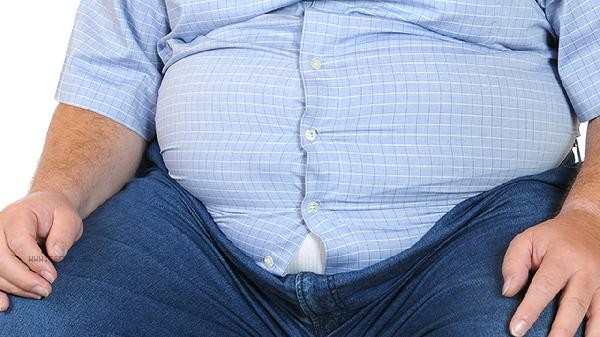
Lotus leaves are not suitable for all people, as those with spleen and stomach deficiency and cold may experience worsening symptoms of bloating and diarrhea. Pregnant women, lactating women, or patients with low blood pressure should drink with caution. Lotus leaf tea cannot replace exercise and a balanced diet. Long term dependence may lead to water and mineral loss in the body due to excessive diuresis. Losing weight requires scientific control of calorie intake and moderate exercise. Drinking a large amount of lotus leaf tea in the short term may lead to dehydration rather than fat loss.

It is recommended to use lotus leaf tea as an adjunct to healthy lifestyle habits and avoid drinking it on an empty stomach. If there are symptoms of low potassium such as palpitations and fatigue, it should be stopped immediately. People with chronic diseases or taking medication should consult a doctor, as lotus leaves may interfere with the metabolic effects of some drugs. During weight loss, it is important to ensure protein and dietary fiber intake and avoid extremely low calorie diets.



Comments (0)
Leave a Comment
No comments yet
Be the first to share your thoughts!