
The distinction between raw and ripe Pu'er tea is mainly based on the production process, appearance, color, taste, flavor, and aging characteristics. Raw tea has not undergone pile fermentation, with a cold and cool nature and a yellow green soup color; Mature tea undergoes artificial pile fermentation, with a mild tea nature and a reddish brown soup color.
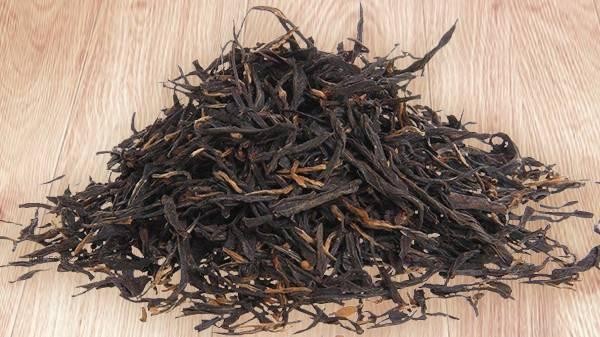
1. Production process
The raw tea adopts the traditional sun drying process, where fresh leaves are killed, rolled, and naturally dried to retain the original active substances of the tea leaves, which can be naturally transformed in the later stage. On the basis of sun drying, ripe tea is subjected to a pile fermentation process, which accelerates microbial activity through temperature and humidity control, allowing the tea to achieve a rich and mellow taste similar to aged tea in a short period of time.
2. Appearance Features
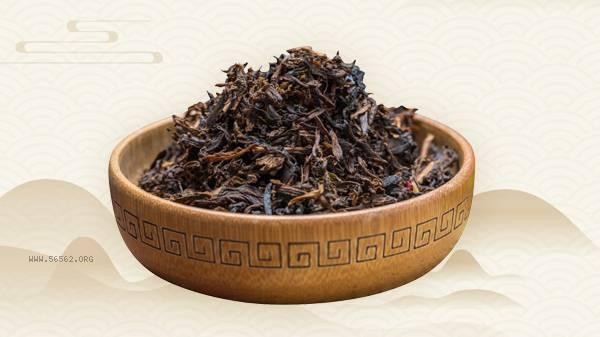
Raw tea and dried tea are dark green or green brown in color, with tightly tied strands and visible hairs, while new tea has a grassy aroma. Mature tea and dried tea are dark brown or black brown in color, with slightly loose strands due to fermentation. They often have golden hairs and a woody or aged aroma. After brewing, the tea leaves have a fresh and flexible bottom, while the ripe tea leaves have a darker color and slightly harder texture.
3. Differences in Soup Color
The soup color of raw and new tea is light yellow and transparent, gradually turning orange yellow with increasing age; The color of ripe tea soup ranges from amber to reddish brown, and aged ripe tea may appear wine red. Raw tea has high clarity, while ripe tea appears thicker and smoother due to the dissolution of fermented substances.
4. Taste and flavor
The raw tea has a fresh and astringent taste, with obvious floral and fruity or honey aromas, and a strong aftertaste of sweetness and saliva. The ripe tea has a mellow and smooth taste, with a unique aroma of glutinous rice or jujube, prominent aged aroma, weak bitterness, and a sweet and mellow throat.
5. Aging Characteristics
Raw tea is suitable for long-term storage, and over time, it produces hierarchical changes such as plum aroma and medicinal aroma. Mature tea has a high degree of fermentation and a relatively small conversion space in the later stage, mainly presenting an increase in aged aroma and sweetness. During storage, attention should be paid to moisture and odor prevention.
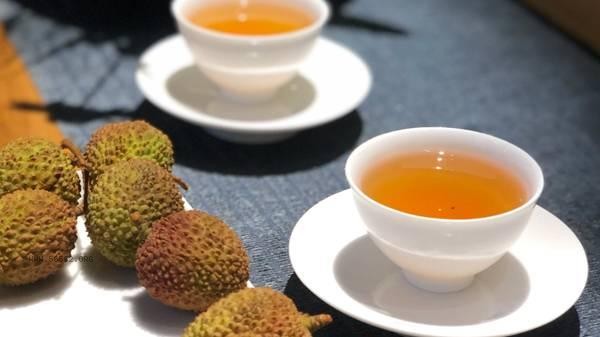
In daily tasting, a comprehensive judgment can be made based on dry tea, soup color, and leaf base. New tea enthusiasts can adapt to ripe tea before trying raw tea. When storing raw and ripe tea, they should be separated to avoid mixing flavors. Choosing Pu erh tea should be based on one's physical condition. For those with sensitive digestive systems, it is advisable to drink ripe tea, and to pursue changes in tea flavor, raw tea can be collected. Regardless of whether the tea is raw or ripe, it is recommended to use high-quality ingredients that are odorless and free from mold. When brewing, pay attention to the control of water temperature and soup time.








Comments (0)
Leave a Comment
No comments yet
Be the first to share your thoughts!