
The bean dregs left after beating soybean milk can be made into a variety of nutritious foods, mainly including bean dregs cake, bean dregs Mantou, bean dregs stir fried vegetables, bean dregs facial mask, and bean dregs fertilizer.
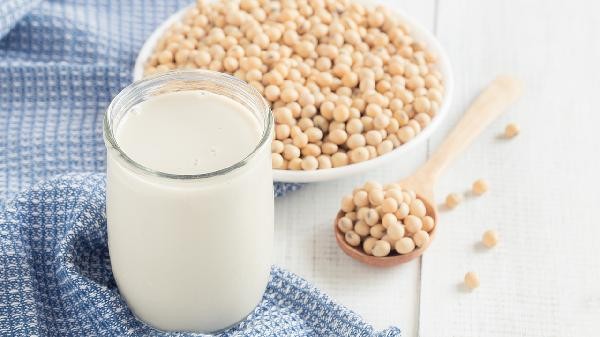
1. Bean dregs cake
Mix bean dregs with flour and eggs and fry to make high protein, low calorie bean dregs cake. Soybean residue retains the dietary fiber and some protein of soybeans, and when paired with flour, it can improve the taste, making it suitable for breakfast or as an add-on. Scallion and carrot shreds can be added to enhance the flavor during production, but attention should be paid to controlling the oil temperature to avoid nutrient loss.
II. Soybean residue Mantou
Soybean residue and wheat flour are mixed and fermented in proportion and steamed, which can increase the protein content of pasta. The dietary fiber in the bean dregs can delay the rise of blood sugar, which is suitable for diabetes patients to eat moderately. The fermentation process can decompose some anti nutritional factors, but the amount of soybean residue added should not exceed one-third of the flour to avoid affecting the fluffiness.
Thirdly, stir frying with soybean residue
Stir frying fresh soybean residue with vegetables and meat can increase the dietary fiber content of dishes. Suggest pairing with high moisture vegetables such as zucchini and cabbage, and stir fry the soybean residue to remove excess moisture. This cooking method can retain active substances such as soy isoflavones, but those with weak gastrointestinal function should control their consumption.
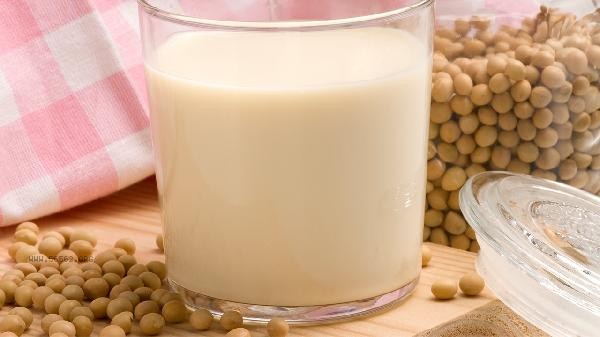
IV. Bean dregs facial mask
The lecithin and vitamin E contained in bean dregs have a moisturizing effect and can be mixed with honey or yogurt to form a natural facial mask. When using, avoid the skin around the eyes and thoroughly clean after applying to prevent pore blockage. For sensitive skin, it is recommended to conduct a local test first and use it no more than twice a week.
V. Soybean Residue Fertilizer
Fermented soybean residue is a high-quality organic fertilizer rich in nitrogen, phosphorus, and potassium elements. It needs to be mixed with soil and composted for more than two weeks. After composting, it can be used for planting flowers or vegetables. Undermatured soybean residue may attract pests, and direct application can burn out plant roots.

Bean dregs are rich in dietary fiber and plant protein. It is recommended to choose different processing methods according to individual needs. Edible methods should ensure that the soybean residue does not spoil, and soybean residue stored for more than six hours should be refrigerated. Pay attention to sufficient fermentation during horticultural use to avoid the growth of mold. The diversified utilization of soybean residue can not only reduce food waste but also provide nutritional supplements. However, those with poor digestive function should control their intake, and those with sensitive skin should undergo allergy testing before use.








Comments (0)
Leave a Comment
No comments yet
Be the first to share your thoughts!