
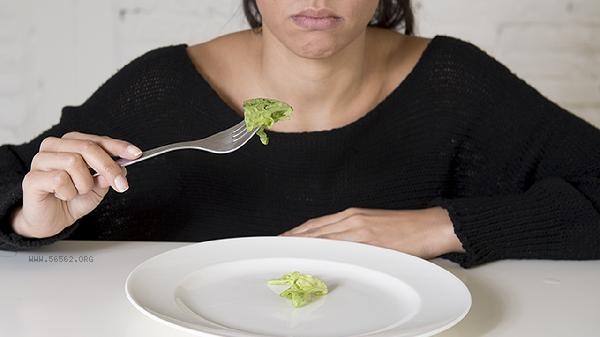
Menstrual abnormalities during weight loss may be related to factors such as excessive dieting, nutritional imbalance, and excessive exercise. It is necessary to adjust dietary structure, control exercise intensity, and monitor physical changes. If amenorrhea or severe disorders occur, it is recommended to seek medical attention promptly.

1. Adjust dietary structure
During weight loss, it is necessary to ensure sufficient daily intake of calories and nutrients, and avoid completely cutting off carbohydrates or fats. It is recommended to increase high-quality protein such as eggs and soy products, supplement iron rich animal liver and spinach, and consume moderate amounts of nuts daily to maintain estrogen levels. Excessive calorie restriction can lead to hypothalamic dysfunction, causing menstrual delay or even amenorrhea.
2. Control exercise intensity
Perform 4-5 times a week of moderate to low-intensity aerobic exercise, such as brisk walking and swimming, for no more than 60 minutes per session. Avoid high-intensity interval training or long-term endurance exercise daily, as a body fat percentage below 17% may interfere with ovarian function. After exercise, it is necessary to supplement with compound carbohydrates and electrolytes to prevent energy depletion from affecting endocrine function.
3. Monitor body signals
Record menstrual cycle changes and pay attention to whether the basal body temperature curve shows a biphasic pattern. If there are three consecutive menstrual cycles of disorder, a decrease in menstrual flow of more than 50%, or accompanied by symptoms such as hair loss and fatigue, it may indicate the presence of hypothalamic amenorrhea. Ovarian function status can be evaluated through six hormone tests.

4. Supplement key nutrients
Daily intake of vitamin E capsules 200-400IU can improve ovarian blood flow, and taking compound vitamin B to maintain glucose metabolism balance. Iron deficiency anemia patients can choose polysaccharide iron complex capsules, and if necessary, use estrogen and progesterone cycle therapy under the guidance of a doctor to regulate menstruation.
5. Psychological stress management
Long term calorie deficit can increase cortisol levels and inhibit the release of gonadotropins. Relieve stress through mindfulness meditation and ensuring 7 hours of sleep. It is recommended to control the weight loss rate at 2-4 kilograms per month, and the body fat percentage should not be lower than 22%.
During weight loss, it is recommended to weigh no more than once a week to avoid excessive attention to short-term weight fluctuations. During menstruation recovery, it can increase the intake of healthy fat, such as avocado and deep-sea fish, and drink soybean milk every day to supplement phytoestrogen. If menstruation does not return to normal after adjusting lifestyle for 3 months, it is necessary to go to the gynecology or endocrinology department for ultrasound examination and hormone evaluation to rule out organic diseases such as polycystic ovary syndrome. Do not forcefully induce menstruation by taking progesterone or other medications on your own, as it may mask potential endocrine problems.








Comments (0)
Leave a Comment
No comments yet
Be the first to share your thoughts!