
To make delicious noodles at home, it is important to pay attention to noodle selection, cooking techniques, seasoning combinations, side dish selection, and heat control.
1. Noodle Selection
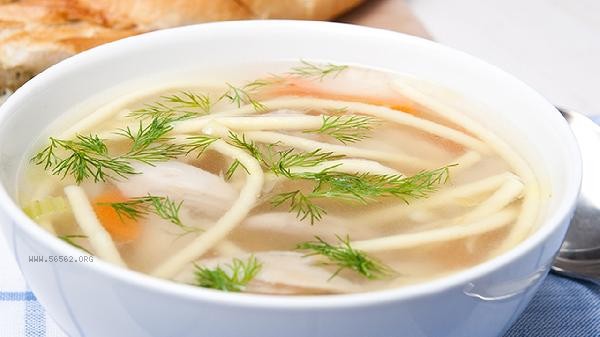
Choosing fresh or high-quality dry noodles can enhance the taste. Fresh noodles have a high moisture content and become more chewy when cooked; Dry noodles should choose varieties with simple ingredients and no additives. Wide noodles are suitable for pairing with thick sauce, while fine noodles are suitable for clear soup or cold dishes. Choose egg noodles, buckwheat noodles, or whole wheat noodles according to personal taste, as the cooking time and water absorption of noodles of different materials vary greatly.
2. Cooking Techniques
When cooking noodles, the amount of water should be sufficient, and the ratio of water to noodles should be at least 5:1. After the water boils, quickly disperse it with chopsticks to prevent adhesion. Maintain medium to high heat during the cooking process to evenly heat the noodles. After putting dry noodles in the pot, add half a bowl of water to the first boil and repeat twice to make the noodles smoother. When cooked to 80% done, remove it and use the remaining heat to complete the final maturation.
3. Seasoning Matching
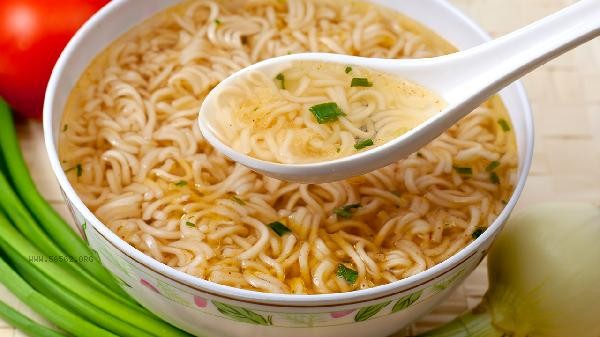
Basic seasonings can be mixed with salt, soy sauce, vinegar, sesame oil, etc. Hot soup noodles can be first fried with hot oil with shallots, ginger and garlic, and then added with stock; Noodles can be mixed with sesame paste, peanut butter, or chili oil. Pay attention to adding seasonings in portions to avoid excessive saltiness. Try adding a small amount of sugar or monosodium glutamate for freshness, but hypertensive patients should control the dosage of sodium salt.
4. Side dish selection
Paired with seasonal vegetables such as spinach, bean sprouts, and broccoli to increase nutrition. In terms of meat selection, thinly sliced beef, shrimp, or fried eggs are all high-quality sources of protein. Mushrooms such as shiitake mushrooms and enoki mushrooms can add freshness. Side dishes such as pickled Chinese cabbage and dried radish can improve the flavor level, but the pickled food needs an appropriate amount.
5. Heat Control
Different noodles need to adjust the heat. Udon noodles need to be cooked slowly on low heat to maintain elasticity, while spaghetti needs to be cooked on high heat until it reaches aldente state. Overcooling water immediately after cooking noodles can enhance the feeling of tendons, but Noodles in soup can be directly put into the bowl. Mix noodles with a small amount of cooking oil to prevent sticking. For hot mixed noodles, it is recommended to use boiling water to adjust the thickness.
When cooking noodles, it is recommended to use a timer to control the time and avoid overcooking. Try to record the amount of water, time, and seasoning ratio for each noodle dish, gradually adjusting to personal preferences. Regularly changing the types and ingredient combinations of noodles can ensure balanced nutrition and continuously explore new flavors. Pay attention to control the amount of oil and salt. Patients with hypertension or diabetes can choose low sodium soy sauce and whole grain noodles. It is recommended to consume cooked noodles immediately, as leaving them for too long can affect their taste.








Comments (0)
Leave a Comment
No comments yet
Be the first to share your thoughts!