
During the weight loss period, vitamin intake can be ensured by adjusting the diet structure, choosing low calorie and high vitamin foods, balancing the diet reasonably, controlling the intake of processed foods, and supplementing vitamin preparations. Vitamins are key nutrients for maintaining normal metabolism, and it is important to avoid vitamin deficiencies caused by dieting during weight loss.
1. Adjust dietary structure
Increase the proportion of vegetables and fruits in the daily diet, ensuring a daily intake of 300-500 grams of fresh vegetables and 200-350 grams of fruits. Dark vegetables such as spinach and broccoli are rich in vitamins A and K, while citrus fruits can provide sufficient vitamin C. Choosing whole grains as a staple food instead of refined rice and flour can supplement B vitamins and dietary fiber.
2. Low calorie and high vitamin foods
Prioritize foods with high nutrient density, such as eggs containing vitamin D and B12, salmon rich in vitamin D and E, and mushrooms containing vitamin D and B family. These foods provide vitamins while being low in calories, making them suitable for consumption during weight loss. Eating animal liver 1-2 times a week can supplement vitamins A, B2, etc.
3. Reasonable dietary combination
There is a synergistic effect between vitamins, such as vitamin C promoting iron absorption and vitamin D assisting calcium utilization. It is recommended to pair each meal with vegetables and high-quality protein, such as stir fried beef with green peppers, which can simultaneously obtain vitamin C and iron. Adding a small amount of nuts or olive oil to cold vegetables can help with the absorption of fat soluble vitamins A, D, and E.
4. Control processed foods
Reduce the intake of refined processed foods such as biscuits and cakes, which can lose a large amount of vitamins during the processing. Preservatives in ready to eat foods may affect vitamin absorption. Selecting fresh ingredients for simple cooking, using low-temperature cooking methods such as steaming and boiling can maximize the retention of vitamins in food.
5. Vitamin supplements
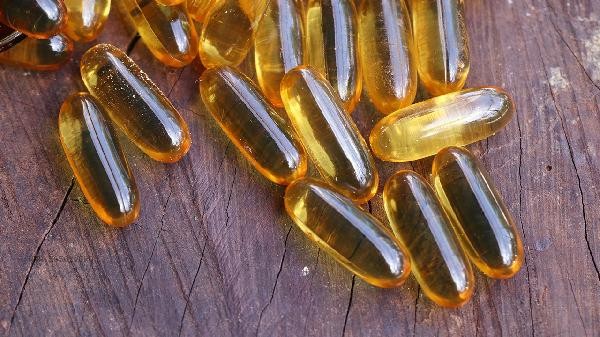
Under the guidance of a doctor, it is recommended to supplement a moderate amount of multivitamins, especially when dietary intake is insufficient. Vitamin B family helps with energy metabolism, while vitamin D deficiency may affect the effectiveness of weight loss. However, it should be noted that excessive supplementation of fat soluble vitamins may cause accumulation poisoning, and the dosage of water-soluble vitamin supplementation should also be controlled.
It is recommended to regularly check vitamin levels during weight loss, and seek medical attention promptly if symptoms such as fatigue and oral ulcers occur. Maintain a diverse diet, consuming at least 12 types of food per day and reaching at least 25 types per week. Cooperate with moderate exercise to promote metabolism and avoid extreme dieting leading to malnutrition. When cooking, pay attention to washing before cutting, stir frying over high heat, and other methods to reduce vitamin loss. You can partially choose to eat raw to retain water-soluble vitamins.








Comments (0)
Leave a Comment
No comments yet
Be the first to share your thoughts!