
Mushrooms can be quickly washed by rinsing with running water and soaking in starch or salt. There are mainly methods such as flushing with running water, starch adsorption, salt sterilization, tool assistance, and inspection confirmation.
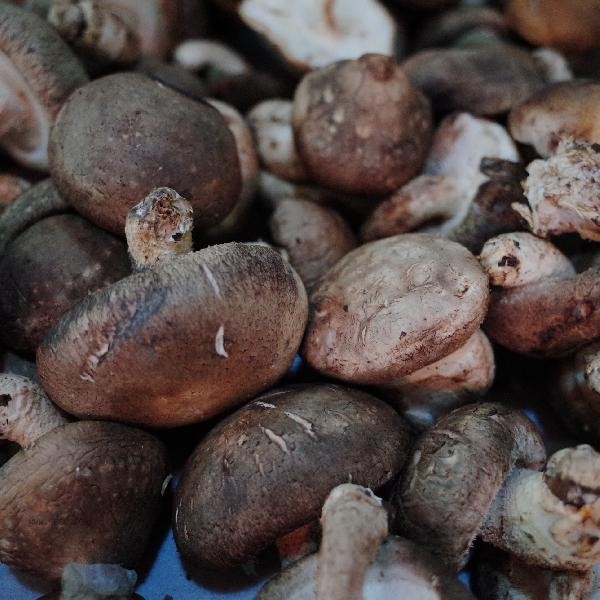
First, rinse with running water
Place the mushroom canopy facing downwards under flowing water to rinse away surface dust and some impurities. When rinsing, gently rub the folds of the umbrella with your fingers, taking care to avoid excessive force that may cause damage to the mushroom body. There are often sawdust residues at the bottom of the umbrella handle, which need to be washed thoroughly. This step lasts for about 30 seconds to remove most visible dirt.
2. Starch Adsorption
Sprinkle a small amount of corn starch or potato starch on the moist surface of shiitake mushrooms, and the starch particles can adsorb small sediment in the folds. Let it sit for 2 minutes and gently rub it. The starch will form a sticky substance that wraps around impurities. Rinse it off with running water. This method is particularly effective in removing dust deep inside the umbrella folds without damaging the complete shape of the mushrooms.
3. Salt sterilization
Add a small amount of salt to clean water to make diluted salt water, and soak the mushrooms for 3 minutes. Salt can help kill surface microorganisms while dehydrating and shedding the insect eggs in the gills. After soaking, rinse with running water again to avoid salt residue affecting the taste. This method is suitable for processing mushrooms that have been harvested or stored in the wild for a long time.
4. Tool Assistance
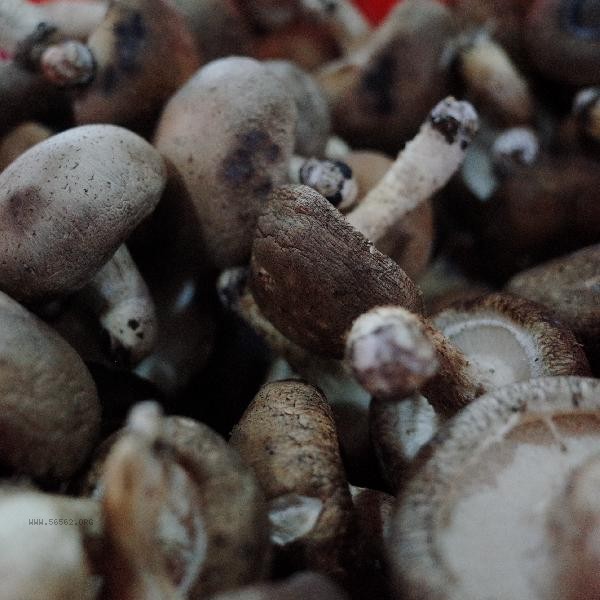
Use a soft bristled toothbrush or specialized mushroom brush to gently brush the umbrella cover and gills, which can physically remove stubborn stains. For the woody part at the bottom of the stem, a thin layer can be removed with a small knife. Before using the tool, it should be disinfected and the movement should be gentle to avoid scratching the surface of the mushroom body. After brushing, the tool residue should be thoroughly rinsed.
Fifth, check and confirm
After washing, check the mushroom gills in front of the light. The gills should be milky white without black spots, and there should be no residue of mucus on the umbrella cover. Gently squeeze the mushroom body without water seepage. If a large amount of water seeps out, it may indicate that the interior has deteriorated. Finally, a small piece of mushroom flesh can be torn open to observe the cross-section. The cross-section of fresh mushrooms should be dense without hollowing or discoloration.
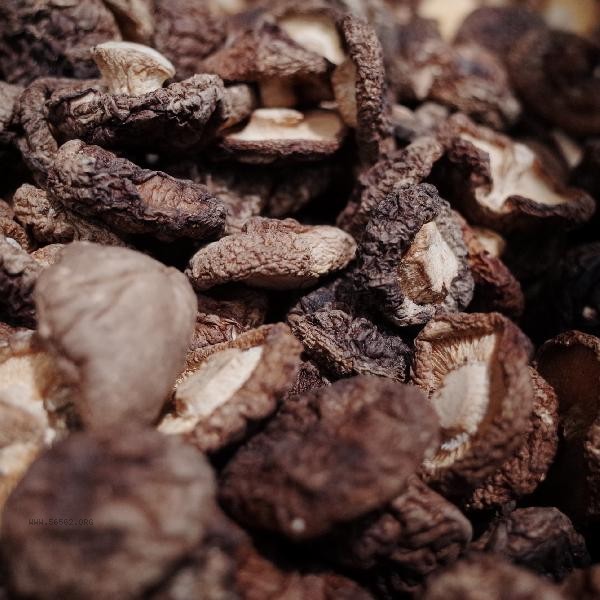
After cleaning, it is recommended to use kitchen paper to absorb the moisture from the mushrooms and consume them as soon as possible to avoid nutrient loss caused by prolonged soaking. When stored, it can be refrigerated in a sealed box lined with absorbent paper to maintain a dry environment and extend the shelf life. Rinse quickly again before cooking, as excessive washing can result in the loss of water-soluble vitamins and flavor compounds in shiitake mushrooms. Wild shiitake mushrooms need to be thoroughly cleaned, and cultivating shiitake mushrooms that are relatively clean can simplify the steps appropriately.








Comments (0)
Leave a Comment
No comments yet
Be the first to share your thoughts!