
Whether strawberries are ripe can be comprehensively judged by observing factors such as appearance, aroma, texture, stem condition, and season. There are mainly identification methods such as fruit stem color, fruit hardness, aroma concentration, grain status, and market time.

1. Stem color
Naturally ripe strawberry stems are bright green and closely connected to the fruit, while ripe strawberries may have yellow or dry stems. Fresh strawberries still retain a certain amount of moisture in their stems after harvesting. If the stems shrink or the color becomes dull, caution should be exercised when purchasing.
2. Fruit Hardness
Strawberries that mature normally have a soft but elastic texture, and will not release juice when lightly pressed. Ripening strawberries often appear hard on the outside and soft on the inside, and local collapse or juice leakage may occur when pressed. This uneven hardness phenomenon requires special attention.
3. Aroma concentration
Naturally ripe strawberries will emit a sweet and fruity aroma, with a strong and long-lasting fragrance. Ripening strawberries often lack natural aromas or have abnormal odors such as grassy notes, and some may have residual chemical irritants.
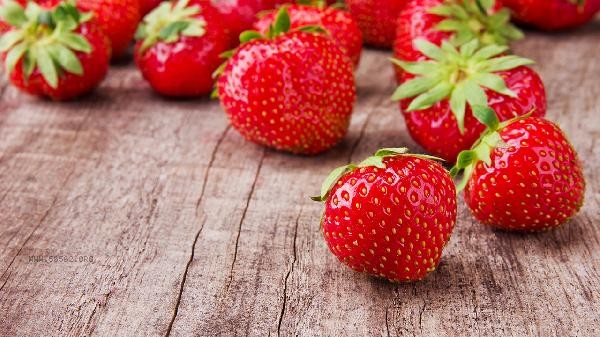
4. Grain Status
Healthy strawberries have golden yellow and evenly distributed surface grains, while ripening strawberries may have white or sunken grains. Observing the junction between the seeds and the flesh, naturally ripe strawberry seeds are deeply embedded and arranged neatly.
5. Listing time
Strawberries naturally mature in late spring and early summer, and those that are sold out of season have a higher probability of ripening. When purchasing, seasonal products should be given priority, and strawberries that are available in winter should be carefully identified for their mature characteristics.

When selecting strawberries, soak them in clean water for ten minutes first, and then rinse the surface with running water. When storing, keep the fruit stems and refrigerate them in a fresh-keeping box to avoid crushing and spoilage. It is recommended to control the daily intake within 200 grams, and those with spleen and stomach deficiency and cold should reduce their intake appropriately. If you find that strawberries taste bitter or cause numbness in your mouth after consumption, you should immediately stop eating them and rinse your mouth with water. Strawberries are rich in vitamin C and anthocyanins, and moderate consumption can help with antioxidant properties. However, people with allergies who consume them for the first time should observe whether there are allergic reactions such as skin redness.








Comments (0)
Leave a Comment
No comments yet
Be the first to share your thoughts!