
Shelled peanuts are best stored in a cool, dry, and ventilated environment to avoid moisture and high temperatures. There are mainly methods such as sealed storage, low-temperature refrigeration, dark storage, regular inspection, and packaged storage.
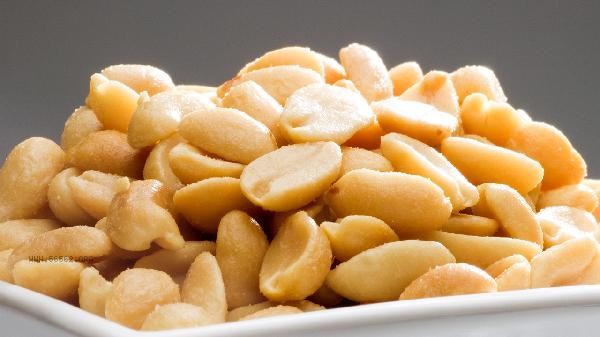
1. Sealed storage
Place peanuts with shells into a sealed container or food grade sealed bag, remove excess air, and seal. Sealing can effectively isolate moisture and oxygen in the air, preventing peanuts from getting damp, moldy, or oxidized. Glass jars, plastic sealed boxes, or vacuum bags are ideal choices, especially in humid southern regions where sealing is crucial.
2. Low temperature refrigeration
Short term storage can be placed in the refrigerator compartment, and long-term storage is recommended to be frozen. Low temperature can inhibit the growth of microorganisms such as Aspergillus flavus and maintain the crispy texture of peanuts. Before freezing, ensure that the peanuts are completely dry and divide them into small portions to avoid repeated thawing. Before taking it out for consumption, it is necessary to warm it up to room temperature to prevent condensation from seeping in.
3. Avoid light storage
Storage containers should be made of opaque materials or stored in a dark cabinet. Direct sunlight can accelerate fat oxidation, causing peanuts to develop a halal flavor. At the same time, ultraviolet radiation may damage nutrients such as vitamin E and reduce their nutritional value. High temperature areas such as kitchen stoves are also not suitable for storage.
4. Regular Inspection
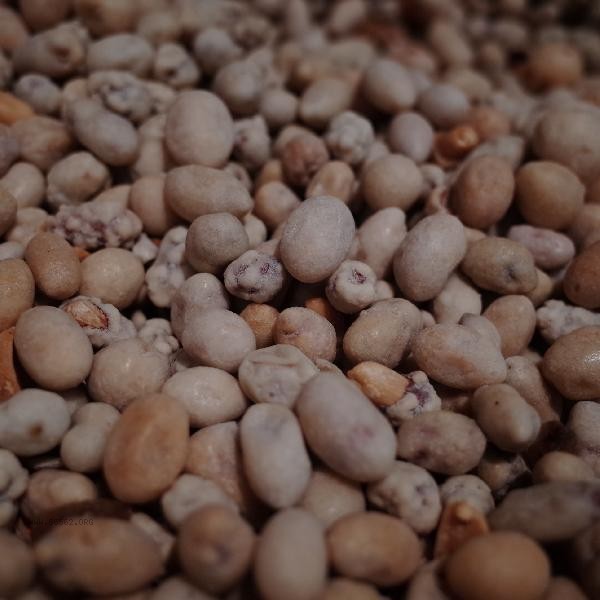
Check peanuts monthly for mold, insect infestation, or odor. Moldy peanuts can produce the strong carcinogen aflatoxin, which is not edible. Slightly damp, it can be spread out and dried, but if green gray mycelium appears, it must be discarded. Simultaneously remove empty shells or sprouted individuals to avoid affecting the quality of other peanuts.
5. Packaging and Preservation
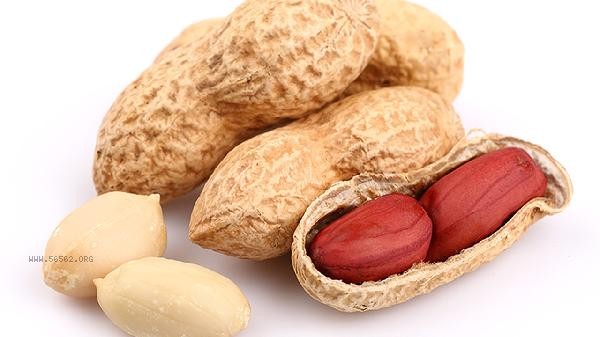
Divide large portions of peanuts into small portions as needed to reduce the number of times they need to be opened. Immediately reseal after each use to avoid overall exposure to humid environments. It can be divided into half month doses and used in conjunction with desiccants for better results. It is recommended to use food grade aluminum foil bags or vacuum packaging for packaging containers. When storing peanuts with shells, the environmental humidity should be kept below 60%, and food desiccants or unpeeled garlic can be placed to prevent insects. Fresh peanuts are recommended to be sun dried or dried before storage to remove surface moisture. If the storage capacity is large, consider using a dehumidifier to control the environmental humidity. Avoid mixing with strongly scented foods such as seafood and pickled products to prevent cross contamination. Properly preserved peanuts with shells can maintain good quality for more than six months, retaining more unsaturated fatty acids and protein nutrients.








Comments (0)
Leave a Comment
No comments yet
Be the first to share your thoughts!